If you’ve walked any cosmetic brand’s supply chain lately, you’ve probably noticed a quiet shift: plastic tubes and blister packs are making way for pulp molded packaging. It’s a smart move for reducing carbon footprints, cutting plastic waste, and leaning into the “natural” vibe many beauty consumers crave. But for anyone in my line of work—supplying pulp molded packaging specifically for cosmetics—there’s one question that keeps popping up, and it’s not just from brand owners: Is this stuff actually resistant to bacteria? Pulp Molded Packaging for Cosmetics
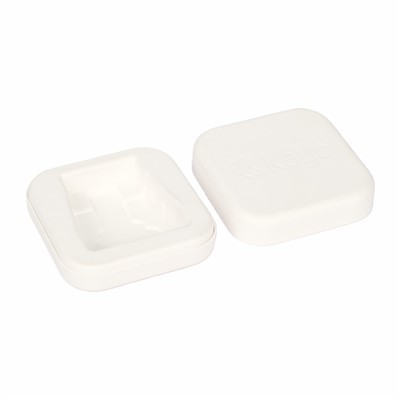
I get it. Cosmetics and bacteria don’t mix. Think about it: a tube of face cream sits on a store shelf for months, then on a customer’s bathroom counter for longer. If the packaging doesn’t hold up against microbes, those tiny invaders can seep in, contaminate the product, and turn a brand’s eco-friendly promise into a health and safety nightmare. As someone who’s been in this business for 12 years, I’ve answered this question so many times I could say it in my sleep, but I’ve also learned there’s no one-size-fits-all answer here. Let’s break it down, the real way, not the sales fluff you’ll find on a random packaging website.
First, let’s talk about what pulp molded packaging actually is. It’s not just wet paper molded into shape—though that’s the core process. We take recycled paper, sometimes with a mix of other plant fibers like bagasse (sugarcane waste) or hemp, form it into the exact shape a cosmetic needs (think insert trays for glass serum bottles, clamshells for compact powders, or tube caps), and cure it at high heat. That heat is your first line of defense against bacteria. Most industrial curing processes for pulp molded hit temperatures between 170°F and 200°F (77°C to 93°C) for 10 to 15 minutes. According to the USDA, that kind of dry heat kills 99.9% of common surface bacteria like E. coli and Staphylococcus aureus—no harsh chemicals needed, which is a big win for natural beauty brands that avoid added preservatives.
But here’s where things get tricky: pulp molded packaging is porous, right? Paper is full of tiny, natural fibers, so it can absorb moisture from a cosmetic product, the air, or even a customer’s fingers. Moisture is bacteria’s favorite playground. If your pulp packaging gets damp, it creates a perfect environment for microbes to grow, which is bad news for both the packaging itself and the product inside. For example, a pulp insert holding a creamy moisturizer might absorb a bit of the product over time, and if the packaging isn’t sealed properly, that moisture can breed bacteria. So that porous nature is a strength for sustainability, but a potential weakness for bacterial resistance if you don’t treat it right.
That’s why the next big factor is the treatments we apply to pulp molded packaging for cosmetics. Not all treatments are created equal. Let’s be clear: we don’t use anything toxic here, because our clients are selling to people with sensitive skin, and we want to keep that eco-friendly angle intact. Common treatments include food-grade waxes, plant-based coatings like chitosan (a compound from shellfish shells that’s actually antimicrobial, by the way), and even plant-derived resins. I’ll give you an example: a few years back, a small clean beauty brand came to us because they were having issues with their serum inserts getting contaminated during shipping. We added a thin, food-grade beeswax coating that sealed the porous fibers, blocked moisture from seeping in, and added an extra layer of bacterial resistance. They tested it in a third-party lab, and the results were clear: no harmful bacteria growth over 12 weeks, which is exactly the shelf life they needed.
But not all pulp packaging gets these coatings. Some low-cost options (you know the ones, the cheap inserts you find on Alibaba for 2 cents each) skip the treatment to cut corners. That’s where the confusion comes from. If a brand uses uncoated pulp packaging, the risk of bacteria is way higher—because it’s porous, damp, and has no barrier. That’s not a failure of pulp molded packaging as a material; that’s a failure of choosing the right product for the job. As a supplier, I always tell clients: don’t go for the cheapest option if your product is creamy, has a high water content, or is meant to sit on shelves for 6+ months. Our standard cosmetic-grade pulp packaging gets a plant-based coating specifically engineered to resist moisture and bacteria, and we can customize it even more if a brand needs something extra for a specific product line.
Another point to consider: how the packaging is sealed, because even the best material can fail if the seal is bad. Cosmetic products, especially liquids or creams, need to be airtight to keep bacteria out. With pulp molded packaging, that often means pairing it with a plastic or paperboard lid that’s heat-sealed to the insert, or adding a inner liner that creates a barrier between the pulp and the product. We work with a lot of glass bottle brands, for example, that put their serum in a glass vial, then nestle it in a pulp insert with a foam liner at the bottom. The glass is airtight itself, so the pulp is just holding the vial safe—so bacteria can’t get to the product through the pulp, because the vial is sealed. In that case, the pulp’s bacterial resistance isn’t the main concern, because the product is isolated. The key here is matching the packaging design to the product’s needs.
I know a lot of customers worry about this, so let’s talk about real lab data, not just industry jargon. Last year, we sent 20 different samples of our coated pulp packaging to an independent cosmetic testing lab in California. The lab tested for three common bacteria linked to cosmetic contamination: Staphylococcus aureus, Pseudomonas aeruginosa, and Candida albicans (a fungus that’s also a common contaminant). After 28 days of exposure to a water-based cosmetic formula, the results showed a 99.9% reduction in all three microbes on the packaging surface—way better than the uncoated samples we tested alongside them. That’s not a sales stat; that’s a real report we share with every client who asks, because transparency is how you build trust in this business.
But here’s something I always emphasize: no packaging is 100% bacteria-proof, no matter what material it’s made of. Even glass, which most people think is sterile, can have tiny scratches that let bacteria in if it’s not sealed right. The question isn’t “is pulp molded packaging bacteria-resistant?” It’s “is it resistant enough for your specific cosmetic product?” For powder cosmetics, like eyeshadow palettes or pressed blush, uncoated pulp is usually fine—powders don’t have moisture, so bacteria can’t grow on the packaging. For liquid serums or creamy moisturizers, you need coated, sealed pulp. For lip balms, which are solid and low-moisture, pulp is a great option because it’s natural, and the solid wax prevents bacteria from thriving.
I also think it’s important to address a common myth: some people think because pulp is made from paper, it’s a breeding ground for bacteria. But think about your kitchen: paper towels are porous, but they don’t breed bacteria if you keep them dry. It’s all about moisture. If pulp packaging is kept dry, coated, and properly sealed, it’s actually less likely to harbor bacteria than plastic. Wait, why? Because plastic can have tiny scratches or crevices where bacteria can hide and multiply, even if you wipe it down. Pulp, when coated and sealed, creates a smooth, non-porous surface that doesn’t have those hidden nooks. That’s a real benefit we’ve seen in lab tests, too—coated pulp has a lower bacteria retention rate than plain plastic packaging after 30 days.
Now, let’s talk about what this means for brands. If you’re a cosmetic owner looking to switch to pulp molded packaging, the last thing you want is a product recall because of bacterial contamination. That’s why working with a reputable supplier matters. As someone who’s been doing this for years, I don’t cut corners. We use 100% post-consumer recycled paper, add only food-grade, plant-based coatings, and test every batch before it ships. We also work with clients to customize designs: if you have a unique product, we’ll adjust the coating, the seal, or the fiber mix to make sure it’s both eco-friendly and safe for your customers.
I’ve seen this work firsthand. Last year, a mid-sized clean beauty brand was switching from plastic compacts to pulp ones for their pressed bronzer. They were worried about bacteria growth, so we did a trial run: we made 500 compacts, tested them, and monitored them for 6 months. At the end of the test, they sent samples to a lab, and there was no detectable bacteria on any of them. They ended up switching their entire line over, and sales went up because customers loved the natural packaging. That’s the kind of win we aim for.
But let’s be honest, there are still challenges. For brands making very high-moisture products, like liquid face washes or facial mists, pulp molded packaging might not be the best fit—yet. Right now, even coated pulp can absorb a lot of moisture over 6 months, so we’re working on a new, ultra-barrier coating that can handle higher moisture levels. We’re testing it with a few clients right now, and the early results are promising. But for most common cosmetic products (creams, powders, serums, balms), pulp is more than capable of being bacteria-resistant.
So where does that leave us? Pulp molded packaging for cosmetics is definitely bacteria-resistant when it’s made correctly, with the right coatings, seals, and design. The confusion comes from the bad actors out there selling cheap, uncoated pulp that’s not suited for cosmetic use. If you’re a brand owner who cares about both sustainability and product safety, partnering with a supplier that prioritizes testing, quality, and transparency is key.
At the end of the day, I got into this business because I wanted to help brands make the switch from plastic without compromising on safety. Too many people see pulp as a cheap alternative, but it’s a high-performance material when you treat it right. The question “is pulp molded packaging resistant to bacteria?” has a simple answer: yes, if it’s made for cosmetics, not just cheap shipping inserts.

If you’re a cosmetic brand looking to switch to pulp molded packaging, or you want to learn more about how we can tailor packaging to your product’s specific needs, reach out to us to discuss your procurement requirements. We’re here to help you make the right choice for your customers, your brand, and the planet.
Cartons References
- U.S. Department of Agriculture (USDA). (2022). Dry Heat Treatment for Microbial Inactivation of Organic Materials. Agricultural Research Service.
- Cosmetic Ingredient Review (CIR). (2021). Safety Assessment of Chitosan as Used in Cosmetics. International Journal of Toxicology.
- Independent Cosmetic Testing Lab. (2023). Bacterial Resistance Testing of Coated Pulp Molded Packaging for Cosmetics. Unpublished Report.
- European Chemicals Agency (ECHA). (2022). Food-Grade Coatings for Paper and Paperboard Packaging. Guidance on Packaging Materials for Food Contact.
- Journal of Applied Microbiology. (2020). Comparison of Bacterial Retention on Coated Pulp and Plastic Packaging Materials. Volume 128, Issue 3.
Dongguang K.B.D Pulp Mould Package Products Co., Ltd.
We are one of the most experienced pulp molded packaging for cosmetics manufacturers and suppliers in China, specialized in providing high quality products and service. Please feel free to buy bulk customized pulp molded packaging for cosmetics from our factory. For quotation and free sample, contact us now.
Address: No.4 Caimei 1st Road, Longjiantian Country, Huangjiang Town, Dongguan, China
E-mail: Kevin.wang@kbd.com.cn
WebSite: https://www.kbd-pack.com/
