When people are shopping around for plumbing materials—whether for a home renovation or a new construction project—they ask a lot of questions. One I hear all the time (as a CPVC pipes supplier) is, “Are CPVC pipes even safe? Do they check out with health and safety rules?” I get it; you want to make sure whatever runs your household water supply doesn’t have hidden risks, and you don’t want to cut corners when it comes to stuff that affects you and your family. Today, let’s break this down straight—no jargon, no fluff, just real info you can trust. CPVC Pipes
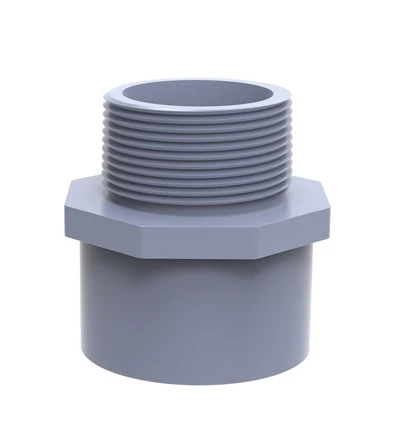
First, let’s get clear on what CPVC is. CPVC stands for chlorinated polyvinyl chloride. It’s a type of plastic made by adding chlorine to regular PVC (polyvinyl chloride) to make it more heat-resistant, which is why it’s so popular for hot and cold water lines. Unlike some old-school plastics, CPVC is rigid, easy to cut and glue, and doesn’t corrode like metal pipes do over time. But the health part is what throws people off. A lot of folks have heard stuff about plastics leaching chemicals into water, so that’s where the confusion starts.
So here’s the big question: do CPVC pipes leach harmful chemicals into drinking water? The short answer is no—when they’re made and installed correctly, they don’t leach anything at levels that would cause health issues. But let’s dig into that. First, the manufacturing process. Reputable CPVC pipe producers (that’s us, by the way) follow strict rules set by government agencies and independent testing groups. The American National Standards Institute (ANSI) and the National Sanitation Foundation (NSF) set standards for what’s safe for contact with drinking water. CPVC pipes have to pass NSF/ANSI Standard 61, which tests for any substances that might leach into water. If a pipe has that NSF mark, it means independent labs checked it, and the amount of any chemicals that could get into your water is way below what’s considered safe.
Wait, I’ve heard some people say chlorine used to make CPVC is a problem. Let’s clear that up. The chlorine added to PVC during manufacturing bonds with the plastic molecules permanently. It doesn’t just float around in the pipe to leach into water. Think of it like baking: when you mix ingredients and bake them, they don’t separate back into original parts. Same thing here. The chlorine is part of the pipe’s structure, not a free chemical waiting to get into your water. That’s a myth I hear all the time, so I wanted to call that out early.
Now, what about heat? CPVC is designed for hot water, right? Regular PVC can warp at high temps, which is why you only use it for cold lines. But CPVC can handle temps up to around 200 degrees Fahrenheit, which is hot enough for residential hot water systems. Does heat affect leaching? Studies show that when CPVC is exposed to hot water, the leaching rate doesn’t go up in a way that’s unsafe. The same NSF/ANSI 61 test actually includes testing at elevated temperatures to make sure of that. So if you install CPVC for both hot and cold lines, you’re not taking a risk there. That’s a big reason CPVC beats out other options like regular metal pipes—no rust, no corrosion, and safe at the temps you use every day.
But hold on—compliance isn’t just about the pipes themselves. Installation matters a lot. If someone uses the wrong glue, or cuts the pipe wrong, that can leave debris or broken bits in the line. But that’s an installation error, not a problem with CPVC itself. When licensed plumbers install CPVC according to local building codes, it’s no different from any other code-approved pipe for health and safety. I’ve seen people panic about CPVC when the real issue was a bad installation, not the pipe material. That’s a key point to remember: the pipe is only as safe as how it’s put in.
Let’s talk about regulations around the world, not just the U.S. (since a lot of our customers are global). In Europe, CPVC pipes are approved under the CE marking, which means they meet EU health, safety, and environmental standards. Canada has its own standards (CSA B137.6) for CPVC piping systems for hot and cold water, and they’ve been testing them for decades. Even in places like Australia, CPVC is widely used in residential plumbing and meets their Plumbing Code of Australia. So it’s not just a U.S. thing—CPVC is recognized as safe by most major global regulators.
I know there’s some old debate about phthalates or other plastic additives. Wait, phthalates are sometimes used in flexible plastics, not rigid ones like CPVC. CPVC is a rigid plastic, so it doesn’t need those additives. The main additives in CPVC are stabilizers that keep the pipe from breaking down over time. Again, these are tested under NSF/ANSI 61, and their leaching levels are way below what the EPA (U.S. Environmental Protection Agency) says is safe for drinking water. The EPA doesn’t regulate CPVC specifically, but they recognize the NSF standards as a reliable measure for drinking water safety, so that’s another seal of approval.
But let’s get real—no product is perfect, and CPVC does have some limits. For example, you can’t use it for gas lines, because it’s not resistant to gas. But for water lines, it’s solid. Some people worry about UV exposure if the pipe is outside. If CPVC is left in direct sunlight for a long time, it can break down, but that’s easy to fix—just wrap it in insulation or use a UV-resistant coating. That’s an installation thing, not a health thing. If you keep CPVC out of direct sunlight when installing it, it’s fine for decades.
Another point: long-term use. CPVC pipes have been around since the 1960s, so there’s a lot of track record. Studies on old CPVC installations show that after 50 years, the pipes are still intact and haven’t leached any harmful chemicals. Compare that to galvanized steel pipes, which rust and corrode over time, leading to metal in your water. Copper pipes can get pinhole leaks, which can cause water waste, but they’re also safe. CPVC is on par with copper and safer than galvanized for long-term use.
I get why people are skeptical. There’s a lot of misinformation online, and it’s hard to tell what’s true. As a CPVC pipes supplier, we don’t try to say CPVC is the only option, but we can tell you that when it’s compliant with industry standards, tested by independent labs, and installed correctly, it’s a safe choice for your plumbing. If you’re worried, just look for the NSF mark on the pipe— that’s your quick way to know it’s been tested for drinking water safety. A lot of cheaper, no-name CPVC pipes skip that testing, which is why you should stick to reputable brands (that’s us, by the way) that follow all the rules.
Wait, let’s address a common myth I hear: some people think CPVC releases dioxins when burned. That’s true for any plastic, not just CPVC. If you burn plastic, regardless of what kind, it can release harmful fumes. But that’s not a health risk related to using CPVC in your home plumbing—most plumbing materials (metal, PVC, copper) release fumes when burned. That’s a waste disposal issue, not a use issue. You’re not burning your pipes in your house, so that’s not a concern for day-to-day use.
So putting it all together: CPVC pipes are compliant with strict health and safety standards when they’re manufactured and installed properly. They don’t leach harmful chemicals into drinking water, they’re tested by independent labs, and they’re approved by regulators around the world. The key is to buy from a reputable supplier (that’s us) and make sure a licensed plumber installs them correctly. If you’re doing a renovation or building a new home, don’t write off CPVC because of misinformation—it’s a solid, safe choice that will last a long time.

Now, if you’re looking to upgrade your plumbing, replace old lines, or just want to confirm CPVC is right for your project, feel free to reach out to our team to chat through your needs. We can answer any specific questions you have about compliance, installation, or sizing, and help you pick the right CPVC pipes for your job. Whether you’re a homeowner doing a small project or a contractor working on a large build, we’ve got you covered.
PVDF Fittings References
- NSF International. (2023). NSF/ANSI Standard 61: Drinking Water System Components – Health Effects.
- American National Standards Institute (ANSI). (2022). ANSI/NSF 61 Compliance Requirements for Plumbing Materials.
- U.S. Environmental Protection Agency (EPA). (2021). Drinking Water Safety: Plastic Pipe Materials Guidance.
- Canadian Standards Association (CSA). (2023). CSA B137.6: Thermoplastic Piping Systems for Hot and Cold Water Distribution.
- World Health Organization (WHO). (2020). Chemicals in Drinking Water: Assessment of Plastic Pipe Safety.
Xiamen Sanideng Plastics Industry Co., Ltd.
Xiamen Sanideng Plastics Industry Co., Ltd. is well-known as one of the leading cpvc pipes manufacturers and suppliers in China. Please feel free to buy or wholesale high quality cpvc pipes for sale here from our factory. For price consultation, contact us.
Address: No.169, Tong Hong Road, Tong’an District, Xiamen, China
E-mail: Sandy@sanking.cn
WebSite: https://www.sankingvalve.com/
