If you’ve ever walked past a market stall, office lobby, or community festival and noticed a sturdy, well-made bag that felt both durable and understated, there’s a good chance it started with plain woven fabric—one of the most versatile materials I source daily as a plain woven fabric supplier. For too long, people have written plain woven fabric off as a “basic” textile, writing it off as just the material for bed sheets or light drapery. But over the years, I’ve worked with small craft businesses, large retail brands, and nonprofits across industries to turn this simple crisscross weave into everything from daily carryalls to specialized industrial gear. This post is all about the real, practical, and often surprising types of bags you can make with plain woven fabric, why they work so well, and how this material fits the needs of modern makers and users alike. Plain Woven Fabric

First, let’s ground this in what makes plain woven fabric so special for bags, because it’s not the same as other textiles. Plain woven fabric is made by interlacing two sets of yarns—warp (lengthwise) and weft (crosswise)—over and under each other, in a perfect, simple grid. Unlike a loose knit that stretches, or a heavy twill that can feel stiff, plain woven fabric has a balanced, consistent structure: it’s strong, has a medium weight, resists tearing along both warp and weft grains, and is easy to work with for sewing, printing, and finishing. When sourced correctly (think high-count cotton, poly-cotton blends, or even heavy-duty woven polypropylene), this balance makes it ideal for bags that need to hold shape without being bulky.
Let’s start with the most common type of bag made from plain woven fabric, the reusable shopping and tote bag. For decades, these have been a staple of eco-friendly campaigns and mainstream retail, and they’re a perfect match for plain woven fabric. Why? The medium-weight plain weave is sturdy enough to hold 10 to 15 pounds of groceries, books, or craft supplies, but lightweight enough to fold up small enough to slip into a pocket or purse. Unlike non-woven polypropylene bags that tear after a handful of uses, plain woven cotton or poly-cotton totes can be washed, reused for years, and even custom-printed with logos, artwork, or slogans. I supply plain woven fabric in a range of weights for these: 8 to 10 oz is ideal for standard everyday totes, while 12 to 14 oz works for heavy-duty shopping totes that will hold more bulk, like dog food bags or multiple cases of water. What’s more, plain woven fabric doesn’t fray as easily as other materials when cut, so even small craft projects don’t require overcomplicated edge finishing. I’ve worked with a small batch maker who uses 10 oz unbleached plain woven fabric to make organic tote bags for zero-waste shops, and they tell me customers come back specifically because the fabric holds its shape better than the thin, crinkly non-woven options common at big box stores.
Next up, the everyday crossbody and shoulder bag, a category that’s exploded in popularity as people trade bulky work bags for compact, hands-free options. Plain woven fabric is a great choice here because it’s customizable—you can use a fine-count plain woven cotton for a sleek, dressier bag, or a thicker, water-resistant plain woven poly blend for an outdoor-ready crossbody. The key here is the fabric’s ability to take hardware: when finished with reinforced seams (easy to do with plain woven fabric’s consistent structure), a crossbody bag can hold a phone, wallet, keys, and a small water bottle without sagging. I recently supplied a local women’s fashion brand with a 9 oz cotton plain woven fabric in natural and muted neutral tones for their line of minimalist crossbody bags; they dyed the fabric themselves, added leather straps, and the bags sold out in three weeks. What I love about this use case is that plain woven fabric lets makers create both casual and dressy styles without switching to a more expensive or harder-to-source material. Even small details, like piping or pocket reinforcements, are easy to attach to a plain weave because the yarns don’t shift out of place, unlike knits that can pucker when sewn around curves.
Moving beyond everyday accessories, there’s a less obvious but increasingly important category: industrial and utility bags. These are the bags used by tradespeople, gardeners, event staff, and warehouse workers, and plain woven fabric’s strength is a perfect fit here. For example, tool bags for electricians or carpenters: heavy-duty plain woven fabric (16 to 20 oz, often polypropylene for water resistance) can hold sharp tools, extendable wrenches, and small hardware without tearing along the seams. Gardeners’ tote bags, used for carrying seed packets, trowels, and harvested vegetables, are another common utility bag made from plain woven fabric. The fabric is breathable enough to let air circulate around soft produce, unlike plastic bags that trap moisture and cause spoilage. I also supply plain woven fabric for event staff’s gear bags—these need to hold walkie-talkies, lanyards, water bottles, and first aid kits, and the plain woven weave stands up to being dumped on concrete, stuffed under seats, and washed after a muddy festival weekend. One thing I’ve learned as a supplier is that for utility bags, the thickness of the plain weave is non-negotiable: too thin, and the bag will tear on the first sharp tool; too thick, and it’s impossible to fold or carry. The middle range, 14 to 18 oz, is the sweet spot for most industrial uses.
Another underrated use for plain woven fabric is kids’ activity and school bags. Think lunch bags, backpacks, and sports duffels for elementary and middle schoolers. Kids are rough on bags—they drop them, spill juice on them, stuff them with crayons and soccer cleats, and drag them across playgrounds. Plain woven fabric holds up to this kind of wear way better than flimsy canvas or thin nylon, and it’s easy to clean (just toss it in the washing machine). For lunch bags, a thin, insulated plain woven fabric lined with a waterproof layer is perfect—it’s not too bulky, fits in a backpack side pocket, and keeps food cool for hours. I’ve had a number of small children’s gear brands reach out for plain woven fabric in bright, fun patterns (or plain white for custom art) for these bags. Backpacks made from plain woven fabric work too, especially for elementary students—they’re lightweight enough for little shoulders, but sturdy enough to hold textbooks and gym clothes, and the plain weave doesn’t stretch out of shape like a backpack made from a loose knit.
Wait, what about bags for specialized uses? Things like travel pouches, toiletry bags, and even pet gear bags? Those are all made with plain woven fabric too. Travel toiletry bags need to be water-resistant, have multiple pockets, and hold up to being stuffed into a suitcase. A medium-weight plain woven poly blend with a polyurethane coating is ideal here—it’s waterproof, easy to wipe clean, and the fabric’s grid structure makes it easy to sew straight, even when making small, intricate pockets. Pet gear bags, used to carry treats, leashes, and waste bags on walks or trips, are another common small bag use. Plain woven fabric in durable, fade-resistant colors doesn’t show dirt as much as lighter materials, and it can be printed with pet names or fun designs for a personal touch.
Let’s talk about why plain woven fabric outperforms other materials for these uses, because it’s not just about durability. Unlike 100% cotton twill, which can be stiff and hard to manipulate for small bag patterns, plain woven fabric has a soft, flexible hand that makes it easy to cut into curves and seams. Unlike non-woven fabrics, which are often single-use and don’t hold their shape, plain woven fabric is a textile that ages well, getting softer with each wash while retaining its strength. Unlike leather or faux leather, which can be expensive and difficult to sew for small makers, plain woven fabric is affordable, readily available, and works on standard sewing machines. That’s why so many makers, from small home-based crafters to large national brands, turn to me as their plain woven fabric supplier—because it’s a reliable, versatile material that checks all the boxes for making bags that last.
I should also mention that plain woven fabric isn’t limited to solid colors, either. It can be printed with everything from full-color artwork to subtle stripes, or even left natural for a minimalist look. One of my favorite recent projects was working with a nonprofit that makes emergency survival kits for people experiencing homelessness; they use plain woven fabric in neutral tones to make small duffel bags that hold a blanket, water, and toiletries. The plain weave is sturdy enough to last for months, and the fabric can be easily marked or labeled without fading, which is important for their organization.
Now, if you’re a maker, brand, or organization looking to make bags from plain woven fabric, there are a few things to keep in mind when sourcing the material. First, match the weight to your use case: light weights (6 to 10 oz) for small pouches and crossbody bags, medium weights (10 to 14 oz) for tote bags and school bags, heavy weights (14 to 20 oz) for utility and tool bags. Second, consider the fiber content: cotton is ideal for organic, eco-friendly products, poly-cotton blends offer a mix of strength and softness, and woven polypropylene is best for water-resistant, heavy-duty utility bags. Third, make sure the fabric is cut and finished properly (no loose warp or weft threads) so it sews evenly and doesn’t fray during use. As a plain woven fabric supplier, I work closely with each of my customers to help them choose the right material for their specific bag project, whether they need 10 yards for a small craft line or 10,000 yards for a national retail order.
At the end of the day, bags made from plain woven fabric are more than just functional—they’re sustainable, affordable, and customizable, which is why their popularity has only grown in recent years. As more people look for alternatives to single-use plastics and short-lived fast fashion, plain woven fabric bags stand out as a choice that works for both the user and the planet. They don’t fall apart after a month of use, they can be reused for years, and they’re made from a material that’s easy to recycle or repurpose once their life as a bag is done.
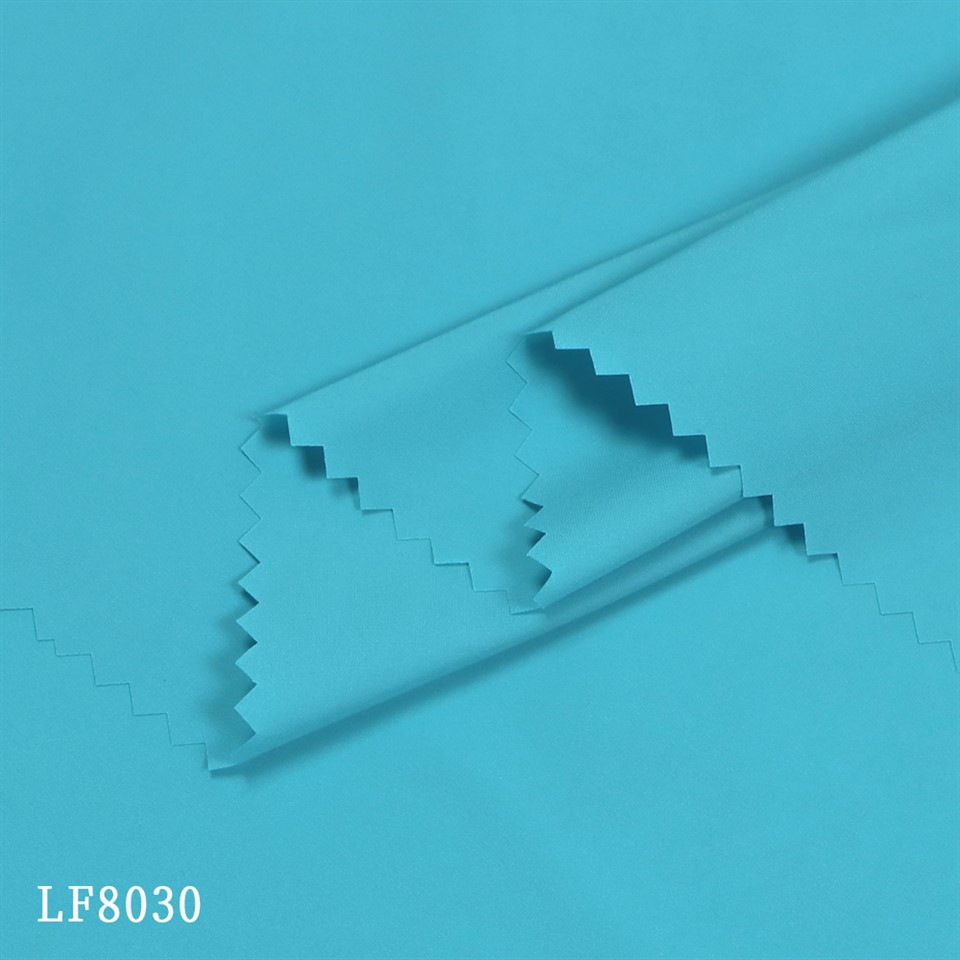
If you’re a maker, brand, or organization looking to source high-quality plain woven fabric for your next bag project, I’m here to help. Whether you’re making reusable totes, crossbody accessories, utility gear, or any other type of bag, I can provide the right fabric in the right weight, fiber content, and quantity to fit your needs. Reach out to discuss your project, and we can work together to find the perfect plain woven fabric for your bags.
Cavalry Twill References
Textile and Apparel Association. (2021). Weave Structures: Plain, Twill, and Satin for Functional Textiles. Journal of Textile Science and Technology.
Environmental Protection Agency. (2022). Reusable Products: Lifespan and Durability of Alternative Shopping Bags. EPA Sustainable Materials Management Report.
Craft and Hobby Association. (2023). Best Practices for Sewing with Plain Woven Fabrics. Annual Craft Supply and Materials Guide.
Shaoxing Huichao Textile Co., Ltd.
As one of the most professional plain woven fabric manufacturers and suppliers in China, we offer a wide range of products with superior quality. We warmly welcome you to wholesale bulk plain woven fabric in stock here from our factory. If you have any enquiry about cooperation, please feel free to email us.
Address: Shenyue International Build ing, Unit 1603-1605, Keqiao District, Shaoxing City, Zhejiang Province, China
E-mail: darrenzhong@huichaotextile.com
WebSite: https://www.huichaotextile.com/
