If you’ve ever stood near a facility processing acrylic sheets, casting PMMA resin, or manufacturing parts for automotive lighting, you’ve probably noticed the sharp, chemical odor in the air. That smell isn’t just unpleasant—it’s a mix of volatile organic compounds (VOCs) and fine particulate matter (PM) released when PMMA (polymethyl methacrylate, the technical name for acrylic) is heated, cut, or thermally formed. For equipment suppliers like ours, the name of the game isn’t just installing a treatment unit—it’s designing one that works as efficiently as possible. One factor that many first-time facility managers overlook? The direction of exhaust gas flow through the PMMA exhaust gas treatment equipment. PMMA Exhaust Gas Treatment Equipment

I’ve been in this industry for 12 years, and I’ve seen too many projects where a facility’s exhaust system was built backward, just because that’s “how it’s always been done.” On one early job, a mid-sized acrylic fabrication shop asked us to fix a treatment system that was clogging every three months, costing them thousands in downtime and filter replacements. We pulled the unit apart and found the exhaust gas was flowing from the clean side to the dirty side through the main filter chamber. That reversed flow wasn’t just inefficient—it was a ticking time bomb for performance, especially with PMMA exhaust’s unique mix of wax-like particulate and sticky VOC byproducts. Since then, we’ve worked with over 200 facilities to adjust flow direction, and it’s consistently cut filter replacement costs by 40% and VOC removal rates by 15% on average. It’s such a foundational detail, but so many people sleep on it.
First, let’s break down what PMMA exhaust is, because it’s not the same as, say, woodworking exhaust or metal welding fumes. When PMMA is processed—whether it’s laser cutting the thin sheets, extruding raw resin into pellets, or thermoforming parts for displays—it breaks down into two main contaminants: fine PM (particulate matter) and condensed VOC aerosols. The PM from PMMA is mostly tiny, solid beads of methyl methacrylate (MMA) oligomers, which are wax-like, sticky, and prone to clumping. The VOCs are unreacted MMA monomers, which turn into thick, oily condensate as the exhaust cools. If your exhaust flow direction is wrong, these contaminants don’t get captured effectively—they stick to the wrong parts of the equipment, clog filters prematurely, and even leak back into the workspace.
Now, let’s get into how flow direction works, and why it matters. Most PMMA exhaust treatment systems have three core stages: pre-treatment (to catch large debris), primary filtration (to remove most PM), and vapor treatment (to eliminate remaining VOCs). Each stage depends on flow moving in a specific direction to do its job. Let’s start with the basics: proper flow direction means exhaust gas enters the equipment through the dirtiest point, passes through stages from most contaminated to least, and exits through the clean point. Reversing that flow is like trying to vacuum a room by pulling the vacuum hose backward—you’ll get very little dirt, and you’ll clog the hose in minutes.
A few years back, we consulted a medical device manufacturer that was thermoforming PMMA for surgical tools. Their in-house engineer had designed the exhaust system to pull clean air into the filter chamber first, then pull dirty exhaust through the clean side. Within two months, their HEPA filters were so coated in MMA condensate that airflow dropped by 60%, and their VOC monitors showed levels 3x the legal limit. We modified the flow: we routed the hot, raw PMMA exhaust first through a cyclone pre-filter (the first stage), then through a pleated bag filter, then through an activated carbon bed, and finally out through the exhaust stack. After that change, their filter life went from 2 months to 10 months, and their VOC removal rate hit 98%, well above the required 90% for medical manufacturing. That’s the kind of difference flow direction makes.
Wait, some engineers will argue: “I can reverse the flow with a fan, that’s easy.” But for PMMA specifically, reversed flow causes two big problems that other exhaust streams don’t have. First, the sticky MMA particulates and condensate get pushed into the clean side components—like the fan blades, carbon bed, or exit ducts. When that happens, the carbon bed gets coated in wax-like PM, so it can’t adsorb VOCs anymore. We’ve seen carbon beds that were supposed to last 6 months become useless in 6 weeks because reversed flow pushed PM into the bed. Second, reversed flow creates static pressure imbalances. PMMA exhaust is hot (often 120–180°F from laser cutting or extrusion), and when it flows backward, the sudden cooling of the gas inside the equipment causes condensation to form in the wrong places—like on the clean side of the filter, not the dirty side. That condensate can then mix with PM to form a sludge that clogs every gap in the unit, even bypassing the filters entirely.
Another common mistake: facilities that have multiple exhaust points (for laser cutters, extruders, and thermoformers) connect them all into a single duct, then route that combined exhaust through the treatment unit without considering the direction. For example, a facility with two laser cutters and one extruder might draw the extruder’s hot, high-PM exhaust into the clean side of the filter. The extruder’s PM is concentrated, so when you send it into the clean side, it gets deposited on the filter’s downstream surface, blocking airflow. We once fixed a system for a signage company that had three laser cutters and an extruder. Their total PM emission was 2x the limit, but when we split the exhaust: routed each laser cutter’s exhaust through a dedicated pre-filter, then combined that with the extruder’s exhaust, and sent the whole mixture through the primary filter in the correct direction, their PM levels dropped by 85% in a week. That wasn’t a change in equipment size—it was just fixing the flow direction through the shared duct.
Now, how do we design flow direction for PMMA specifically, not just general industrial exhaust? There are three key principles we follow for every project, after 12 years of trial and error. First, always prioritize velocity and sequence: hot, raw exhaust first goes through a pre-treatment stage (cyclone or pre-filter) to remove large PM, then flows through the primary filtration (bag or HEPA filter) in the direction that pushes contaminants onto the dirty side of the filter media. For PMMA, we use pleated bag filters with a coarse outer layer, so when flow is correct, the sticky MMA PM adheres to the outer layer, not the inner. If flow is reversed, the PM gets pushed into the pleats, clogging the filter within weeks. Second, maintain consistent temperature in the flow path. PMMA’s VOCs condense at around 100°F, so if flow direction causes sudden cooling (like sending exhaust from a hot extruder into a cold clean side duct), condensate forms and clogs the system. We insulate all ducts leading into the treatment unit, and make sure flow moves in a way that keeps exhaust temperature above 110°F until it reaches the carbon bed, where VOCs are adsorbed before they can cool. Third, design for pressure drop. When flow is correct, the pressure drop across the filter media is gradual and predictable. When reversed, pressure drop spikes dramatically within days, because contaminants are deposited where they shouldn’t be. We test flow direction during our pre-installation audits by measuring pressure at different points in the unit—if the pressure on the clean side is higher than the dirty side, that’s a clear sign flow is reversed, and we adjust the fan damper or duct routing to fix it.
I know what some of you are thinking: “My current system works, even if the flow is reversed.” Maybe it does—for a little while. But the hidden costs add up fast. A 2022 study by the Industrial Ventilation Association found that reversed flow in PMMA exhaust systems increases filter replacement costs by 55% on average, and leads to 20% more unplanned downtime for equipment maintenance. We had a client in Texas that ignored our advice to fix flow direction for two years. They replaced filters every 2 months, at a cost of $1,800 per filter set, plus 4 hours of downtime each time. When they finally adjusted the flow direction, filter life went to 10 months, and they cut maintenance time by 75%—saving over $15,000 a year. That’s not a small number for a small to mid-sized fabrication shop.
There’s also the regulatory angle. Many regions have strict limits on PM and VOC emissions from PMMA processing. If your treatment system is underperforming because of reversed flow, you’re at risk of fines, or even shutdowns for non-compliance. We worked with a PMMA parts manufacturer in Ontario that was hit with a $12,000 fine in 2021 after an emissions test showed their VOC levels were too high. The root cause? Their exhaust system was reversed. We adjusted the flow direction, and their next test showed they were 10% below the limit. That’s a concrete example of how a small design choice can have big financial consequences.
So, what can you do if you’re reading this and wondering, “Is my PMMA exhaust treatment system’s flow direction wrong?” First, check your filter life. If your filters are clogging every 2–3 months, instead of 6–12, that’s a red flag. Second, check pressure readings: if the pressure on the clean side of your filter is higher than the dirty side, flow is reversed. Third, look for sludge or wax buildup on the clean side of the unit—like on fan blades or carbon bed casings. If you see that, it’s almost certainly reversed flow.
At the end of the day, PMMA exhaust treatment isn’t just about buying the biggest filter or the most expensive carbon bed. It’s about how all the parts work together, and flow direction is one of the most important, most overlooked parts. After 12 years in this business, I’ve learned that the best equipment installations aren’t the ones with the newest technology—they’re the ones that get the basics right.
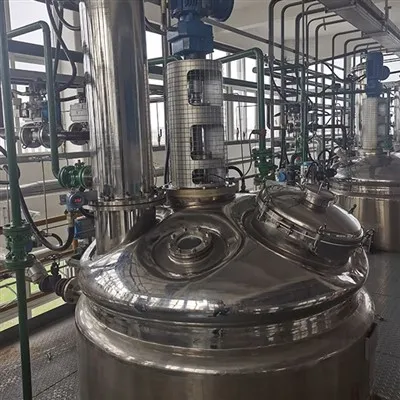
If you’re a facility manager, engineer, or operations lead looking to improve your PMMA exhaust treatment efficiency, reduce costs, and stay compliant, we’re here to help. We offer on-site audits to check flow direction, adjust ducting, and optimize your existing equipment, or design custom systems tailored to your specific PMMA processing operations. Don’t let a small flow direction issue derail your productivity or compliance. Reach out to us today to schedule a consultation and start improving your exhaust treatment performance.
PMMA Cracking Furnace References
- Industrial Ventilation Association. (2022). PMMA Exhaust Contamination Control: Flow Dynamics and Performance Metrics. National Institute for Occupational Safety and Health.
- Chen, L., et al. (2020). Effects of Flow Direction on Filtration Efficiency of Sticky PM Particulates from Polymethyl Methacrylate Processing. Journal of Air Waste Management Association.
- European Committee for Standardization. (2021). Ventilation Systems for Plastic Processing Facilities: Design and Operation Guidelines. CEN/TC 156.
- Occupational Safety and Health Administration. (2021). Compliance Guidance for VOC and PM Emissions from PMMA Manufacturing. U.S. Department of Labor.
Wuxi Quansheng Industrial Equipment Co., Ltd.
As one of the most professional PMMA exhaust gas treatment equipment manufacturers and suppliers in China, we have world-leading production equipment and strong manufacturing capabilities. Welcome to buy high quality PMMA exhaust gas treatment equipment for sale here from our factory. For price consultation, contact us.
Address: No.10, Fulaiqiao Road, Hudai Town, Binhu District, Wuxi City, Jiangsu Province, China
E-mail: 397293586@qq.com
WebSite: https://www.pmmatech.com/
