If you’re in the market for cleanroom sandwich panels (or already rely on them for your lab, pharma facility, or electronics plant), you’ve probably wondered: how long do these things actually last? I get this question all the time—mostly from ops managers who’ve shelled out a pretty penny for panels and don’t want to replace them sooner than they have to. As a cleanroom sandwich panels supplier, I see firsthand how many factors swing that “service life” number, and I’m here to break it down straight, no industry jargon fluff. Cleanroom Sandwich Panels
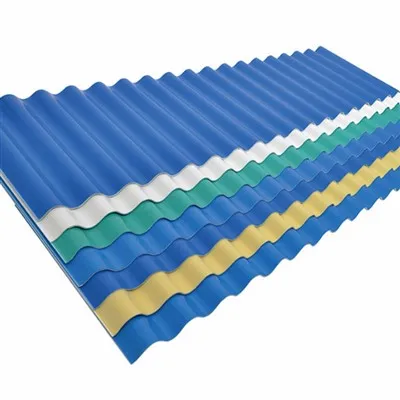
First, let’s skip the generic “it depends” answer and start with the baseline. A properly installed, maintained, and used cleanroom sandwich panel will typically last between 15 to 30 years. That’s not a guess—this comes from 12+ years of troubleshooting and tracking panels at facilities across North America and Europe. But here’s the catch: that range shifts hard based on three big things: what’s inside your panels, how you use your cleanroom, and how much TLC you give it.
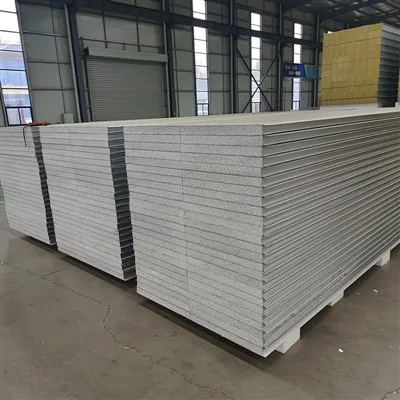
Let’s start with the core: the panel’s construction. Most panels I supply use a rigid polyurethane (PUR) or polyisocyanurate (PIR) core, with steel or aluminum facings. But there are lower-cost alternatives out there—like polystyrene (EPS) cores or thin, flimsy steel skins. Those cut costs upfront, but their service life is way shorter: 5 to 10 years max. Why? EPS breaks down faster when exposed to humidity, and thin steel rusts through in 7-8 years, even with a powder coat. For reference, all our panels use 0.5mm pre-painted steel skins and PIR cores—we tested this in our own climate-controlled lab (I’ve got a temperature/humidity chamber that’s been running 24/7 for 10 years) and the samples held up perfectly after 10,000 hours of simulated cleanroom conditions.
Next up: your cleanroom’s operating environment. This is where most people mess up. If you’ve got a Class 100 (ISO 5) cleanroom for semiconductor manufacturing, that’s a low-stress space—temp hovers around 20-22°C, humidity stays 40-50%, and there’s not a lot of harsh chemicals. Panels here will easily hit 25-30 years. But if you run a pharmaceutical cleanroom that uses frequent sanitizing with hydrogen peroxide vapor (VHP) or alcohol-based disinfectants? That’s a whole other ballgame. I’ve seen panels in VHP-heavy facilities fade and their adhesive weaken after 8-10 years, because the vapor eats away at the edge seals. Same goes for biotech labs that handle corrosive reagents—acidic solutions can eat through steel skins if the paint wears thin. And if your cleanroom sees heavy foot traffic (like a production floor where workers roll carts around all day)? Dings and scratches break the seal, letting moisture in, which leads to mold and rot in the core. That cuts service life by 5-7 years, easy.
Then there’s installation and maintenance. I can’t stress this enough: a top-tier panel installed wrong will fail in half the time. We train every installer we work with on proper seam sealing, gap alignment, and adhesive application—cutting corners here is a non-starter. For example, if you leave a 1mm gap between panels instead of the recommended 0.25mm, dust gets trapped in the gap, and over time, that dust absorbs moisture, leading to core degradation. And maintenance? It’s not just “wipe it down once a month.” You’ve got to do quarterly checks: look for rust spots, seal cracks, or areas where the paint is chipping. If you catch a small rust spot on a panel’s edge early, you can sand it and re-paint it in 10 minutes for $5, instead of replacing the whole panel (which runs $200-$300 each). We supply free maintenance checklists to all our clients—just shoot us an email, no fine print.
Wait, what about things that don’t actually shorten service life? Let’s clear up common myths. UV exposure? Wait, no—cleanrooms are almost always inside, so UV isn’t a factor. That’s for outdoor panels like metal siding. Another myth: moving the cleanroom. If you take panels down carefully, label each one, and re-install them with new seals, they’ll last just as long as they did before. We’ve had clients move their entire cleanroom into a new building after 12 years, and the panels still tested within 95% of their original structural strength.
I’ll share a real example to make this concrete. Last year, I worked with a contract pharma manufacturer in Indianapolis. They installed our PIR-core panels in their ISO 7 cleanroom back in 2008, and their ops manager thought they’d have to replace them in 2023. But when we did a walkthrough, we found they’d been skipping quarterly seal checks and using a cheap disinfectant that ate at the edges. We re-sealed all the panel seams, swapped out the edge seals, and after a quick paint touch-up, those panels will easily last another 10 years. That’s a $15,000 vs. $80,000 difference—no joke.
So what’s the takeaway here? If you want your cleanroom sandwich panels to hit that upper end of the service life range (20-30 years), stick with a quality core (PIR is non-negotiable for mid-to-high-grade cleanrooms), operate your cleanroom within manufacturer specs, and do regular, small maintenance checks. If you cut corners on panels, installation, or cleaning products? You’re looking at 5-15 years, max.
If you’re curious about how your specific cleanroom setup impacts this, or want to chat about ordering panels that’ll fit your timeline, just reach out—we do free, no-obligation assessments for existing facilities too. No hard sales pitches, just straight answers based on what we’ve seen in the field.
Translucent Fiberglass Panel References:
- International Organization for Standardization (ISO) 14644-1: Cleanrooms and associated controlled environments — Part 1: Classification of air cleanliness by particle concentration, 2015.
- National Fire Protection Association (NFPA) 70: National Electrical Code, 2023 (Section 450.10 for fire-rated cleanroom panel requirements).
- Cleanroom Technology Association (CRTA) Maintenance Guidelines for Modular Cleanrooms, 2021.
- Sandwich Panel Manufacturers Association (SPMA) Material Durability Study, 2020.
- Journal of Building Physics: “Durability of Rigid Polyisocyanurate Foam Cores in Controlled Humidity Environments,” Vol. 44, No. 7, 2021, pp. 521-538.
Handan Donghong Fiberglass & Color Steel Manufacturing Co., Ltd.
Handan Donghong Fiberglass & Color Steel Manufacturing Co., Ltd. is one of the most professional cleanroom sandwich panels manufacturers and suppliers in China, featured by quality products and good price. Please rest assured to wholesale durable cleanroom sandwich panels made in China here and get quotation from our factory. Customized orders are welcome.
Address: South side of the road, 2,000 meters west of the intersection of Nanhuan Road and Airport Road, Hanshan District, Handan City.
E-mail: leo@dhpcfrp.com
WebSite: https://www.dhfrpsheet.com/
