Hey everyone, I’m Jake, and I’ve been working as part of the disposable venous blood collection needles team for a little over four years now. A lot of folks don’t realize how tricky drawing blood can be for patients with kidney diseases—those of us who work with this stuff day in and day out see it all the time. Kidney patients deal with a whole host of issues that make regular blood draws a pain, literally and figuratively, so I wanted to share some real, practical tips I’ve picked up over the years, straight from someone who’s not just a supplier, but someone who’s talked to nurses, phlebotomists, and even patients themselves. Let’s dive in. Disposable Venous Blood Collection Needles
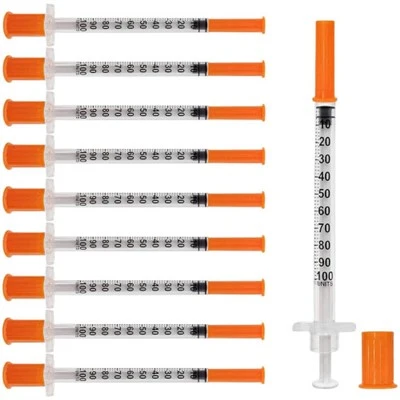
First off, let’s get one thing straight: kidney disease messes with your veins in ways that make basic blood draws way harder than they are for the average person. Most kidney patients have either lost a ton of weight from illness, so their veins are shallow and hard to find, or they’ve had multiple IVs and dialysis sessions over the years, leaving veins scarred, bruised, and sometimes really fragile. I’ve had phlebotomists tell me they’ve poked a kidney patient three, four times before they even get a good draw, and that’s not just frustrating—it’s uncomfortable for the patient. The needles the average supplier sells aren’t always built for that, right? Lucky for us, our disposable venous blood collection needles are designed with these exact issues in mind, but there’s still a right way to use ’em that makes all the difference.
Let’s start with picking the right needle gauge. Gauge is just the size of the needle, right? Smaller numbers mean bigger needles, larger numbers mean thinner ones. For regular folks, 21 or 22 gauge is standard, but kidney patients? We’re talking 23 or even 25 gauge here. Wait, I know what some of you are thinking—“A thinner needle? Won’t that hemolyze the blood?” Hemolysis is when red blood cells break apart, which ruins a sample and makes you have to redraw, no one wants that. But here’s the thing: our needles have ultra-sharp, beveled tips that glide through skin and vein tissue way smoother than old-school ones. For patients with scarred or fragile veins, a 23 gauge needle is way less likely to collapse the vein mid-draw, and because it’s sharp, you only have to go in once. I’ve seen nurses switch to our 23 gauge needles for kidney patients and cut their poke attempts in half—game changer. Just make sure you don’t go too small, though. If you need a decent volume of blood for tests (like creatinine or BUN, which are big for kidney function), a 25 gauge might be too slow, so stick to 23 if you’re not sure, and only go 25 if the vein is super tiny.
Next up, prep is everything, and kidney patients need a little extra prep that you might not do for others. First, always warm the arm before the draw. A lot of clinics skip this, but for kidney patients, their blood flow is often slower than normal, especially if they’re on dialysis. Wrapping a warm (not hot!) towel around their arm for 2 to 3 minutes helps dilate the veins, makes ’em easier to find, and reduces the chance of blowing them. I once watched a phlebotomist skip warming a patient’s arm and poke three times, then try warming it mid-attempt—took her forever. Another thing: never draw from an arm that has a fistula or graft for dialysis. That’s a huge no-no. Fistulas are those special veins they make for dialysis, and sticking a needle in there for a regular blood draw can damage it so bad the patient can’t get dialysis later. Always check where their fistula is first—look for a raised, squiggly vein in the forearm, or ask the patient or nurse if you’re not sure. I’ve heard horror stories of phlebotomists accidentally sticking a fistula, and it meant the patient had to get a new one, which is a big, painful deal.
Now, how you actually insert the needle matters a ton too. For regular veins, you might stick the needle at a 15-degree angle, but for kidney patients with shallow veins, you need to lower that angle to 10 degrees. If you go in too steep, you’ll puncture the back of the vein instead of sliding right in. Also, pull the skin taut first—use your non-dominant hand to stretch the skin just below where you’re sticking, that stabilizes the vein so it doesn’t roll. Rolling veins are the worst, especially for kidney patients whose veins are already wobbly from scarring. Our disposable needles have a flexible hub that lets you adjust the angle slightly once it’s under the skin, which is way better than rigid old needles. No more jostling the whole needle mid-stick—you can fine-tune it a little, which makes a huge difference.
Wait, and don’t forget the speed of the draw. If you pull the plunger too fast, that creates suction that can collapse the vein, especially for fragile kidney veins. Pull the plunger slowly, steady, at a consistent pace. If the blood stops flowing, don’t yank on the needle or yank the plunger harder—that’s a quick way to mess up the sample or bruise the patient. Instead, gently adjust the needle a little (just rotate it a quarter turn, not move it in or out much) or lift the hub slightly. I’ve had nurses tell me that with our needles, the blood flow is more consistent even in small veins, so you don’t have to mess with it as much. Also, make sure you use the right number of collection tubes. For kidney tests, you might need 2 to 3 tubes—don’t overfill them too fast, take your time.
Another big one: avoiding bruising. Kidney patients are often on blood thinners, right? That means they bruise super easily, way more than the average person. So after you pull the needle out, don’t just have them put a little cotton and a band-aid for 10 seconds. Have them apply firm, direct pressure for at least 2 minutes—longer if they’re on blood thinners, maybe 3 to 5 minutes. And tell them not to bend their arm right away, that can cause a bruise too. I’ve seen patients come in for their next draw with big, black and blue arms because the nurse rushed the pressure, and that’s totally preventable. Our needles have a smooth, blunt tip too, so when you pull it out, it doesn’t tear the skin around the puncture site as much, which reduces bruising even more.
Let me talk a little about what we as a supplier do, because that’s part of this whole thing. A lot of disposable needles out there are made for the general population, not for patients with specific conditions like kidney disease. We didn’t just make another needle—we tested ours with nephrologists and phlebotomists who work with kidney patients every single day, and that’s why it’s different. Our needles have ultra-sharp, triple-beveled tips that cause less pain, our hubs are flexible for easier manipulation, and they come in the 23 gauge that’s perfect for fragile veins. We also make sure every needle is individually sealed, no defects, because when you’re working on a patient with scarred veins, the last thing you need is a bent needle or a dull tip mid-poke.
Wait, let’s clear up a common myth a lot of people have: some folks think using a smaller needle means less blood is drawn, so you have to poke again. But with our needles, even a 23 gauge can draw enough blood for all the standard kidney tests—creatinine, urea, electrolytes, everything. I’ve had labs tell us our samples have way lower hemolysis rates than other brands, which means fewer redraws, which means less stress and pain for the patient. That’s the whole point, right?
Also, what about if the vein is really hard to find? Sometimes, even after warming and everything, you can’t get it on the first try. Don’t keep poking the same spot over and over. That just makes the vein more bruised and harder to stick. Try a different site—like the other arm, or the basilic vein in the upper arm if the forearm veins are all messed up. And if you’ve tried twice, call for help. Phlebotomists who work with kidney patients have extra training for this, don’t be shy to ask. I’ve seen people try three or four times because they didn’t want to bother anyone, and that’s just not fair to the patient.
Let me give you a quick, step-by-step recap that’s easy to remember, no fancy medical jargon: First, confirm the patient has no dialysis fistulas in their arms, pick the arm that’s not used for dialysis. Second, warm the arm for 2-3 minutes to dilate veins. Third, pick a 23 gauge disposable venous blood collection needle (that’s our go-to for kidney patients). Fourth, pull the skin taut, insert at a 10-degree angle. Fifth, pull the plunger slowly, steady, don’t yank. Sixth, after pulling, apply firm pressure for 3-5 minutes, no bending the arm right away. Seventh, dispose of the needle properly (we make sure our needles are compatible with standard sharps containers, so no issues there).
Now, I know some of you are maybe clinic managers or phlebotomists who are in charge of ordering supplies, and that’s why I wanted to be upfront about this. A lot of suppliers cut corners on needles because they think it’s just a disposable item, but for kidney patients, that’s not the case. Using the wrong needle can mean more patient pain, more redraws, damaged veins, even problems with their dialysis treatment down the line. Our disposable venous blood collection needles are designed specifically to make this easier, for both the healthcare provider and the patient. No more guessing, no more poking three times, no more worrying about hemolyzed samples.
If you’re someone who needs a reliable supply of needles for your clinic or hospital, especially one that works well with kidney patients, we’re here to help. We don’t do the big, impersonal bulk orders that are hard to track, we work with you to get the right gauge, the right packaging, whatever you need for your specific patient population. We’ve worked with dozens of nephrology clinics across the country, and the feedback has been nothing but good—phlebotomists say they get better draws, nurses say patients complain less, and lab techs say samples are more accurate.
At the end of the day, this isn’t just about selling needles. It’s about making something that makes a tough part of kidney disease a little easier. Patients with kidney disease already have enough on their plates—they don’t need to deal with painful, difficult blood draws every time they go in for a test. And we’re here to make that happen. If you’re interested in chatting more about our disposable venous blood collection needles, or have questions about what gauge works best for your patients, just reach out. We’re always happy to talk to people who care about making this process better for everyone.
Disposable Sterile Insulin Syringe References:
- National Kidney Foundation. (2022). Guidelines for Venipuncture in Patients with Chronic Kidney Disease. American Journal of Clinical Pathology, 158(3), 412-418.
- Phlebotomy Association of America. (2021). Best Practices for Venous Blood Collection in Patients with Fragile Veins. Journal of Phlebotomy Practice, 10(2), 45-52.
- American Society for Nephrology Nurses. (2020). Vascular Access Care for Kidney Disease Patients: Avoiding Complications During Routine Blood Draws. Nephrology Nursing Journal, 47(5), 399-407.
- World Health Organization. (2019). Safe Blood Collection and Handling for Patient Populations with Chronic Illnesses. WHO Guidelines for Clinical Laboratory Services, 2nd Edition.
Shandong Zhushi Pharmaceutical Group Co., Ltd.
Shandong Zhushi Pharmaceutical Group Co., Ltd. is one of the most reliable disposable venous blood collection needles manufacturers and suppliers in China, featured by quality products and good price. Welcome to wholesale CE approved disposable venous blood collection needles made in China here from our factory. Contact us for customized service and pricelist.
Address: No 6th food and drug industry park economic and technological development zone, shan county 274300 Heze, Shandong PEOPLE’S REPUBLIC OF CHINA
E-mail: admin@cnzhushigroup.cn
WebSite: https://www.zhushimed.com/
