Hey there, fellow machining enthusiasts! As a supplier of lathe chucks, I’ve seen firsthand how a scroll chuck can make or break a lathe operation. Today, I’m gonna take you through the ins and outs of how a scroll chuck operates on a lathe, sharing some real – world insights and tips that I’ve picked up over the years. Lathe Chuck
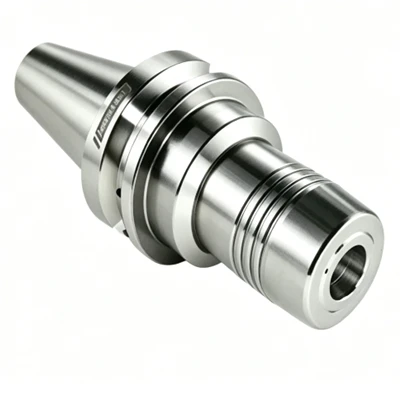
What is a Scroll Chuck?
First things first, let’s get clear on what a scroll chuck is. A scroll chuck is a type of work – holding device commonly used on lathes. It’s got this cool scroll mechanism that allows you to quickly and easily grip a workpiece. You can find them in different sizes, from small ones for precision work on a bench lathe to large ones for heavy – duty industrial lathes.
The Basic Components
A scroll chuck has a few key parts that work together to do its job. There’s the body of the chuck, which is usually made of high – quality steel. This body houses all the other components. Then there are the jaws. Most scroll chucks have three jaws, but you can also find four – jaw ones for more specialized applications. The jaws are what actually grip the workpiece.
The scroll is the heart of the chuck. It’s a circular plate with a spiral groove on it. When you turn the chuck key, the scroll rotates. And as the scroll rotates, the jaws, which fit into the spiral groove, move in or out simultaneously. This is what allows the chuck to grip workpieces of different diameters.
How It Operates on a Lathe
Let’s walk through the step – by – step process of using a scroll chuck on a lathe.
Step 1: Mounting the Chuck
The first thing you need to do is mount the scroll chuck onto the lathe spindle. This usually involves using a set of bolts or a special mounting arrangement. Make sure the chuck is centered properly on the spindle. You can use a dial indicator to check for runout. If the chuck isn’t centered correctly, it can cause all sorts of problems, like poor surface finish on the workpiece and even damage to the lathe.
Step 2: Selecting the Right Jaws
Depending on the shape and size of your workpiece, you’ll need to choose the right set of jaws. For round workpieces, the standard three – jaw chuck is usually the way to go. The three jaws will automatically center the workpiece as you tighten the chuck. But if you’re working with a square or hexagonal piece, a four – jaw chuck might be a better option. You can adjust each jaw independently to get a perfect grip.
Step 3: Loading the Workpiece
Once you’ve got the right jaws installed, it’s time to load the workpiece into the chuck. Place the workpiece between the jaws, making sure it’s as centered as possible. Then, insert the chuck key into the keyhole and start turning it. As you turn the key in a clockwise direction, the jaws will start to move inwards and grip the workpiece. Keep turning until the workpiece is firmly held.
Step 4: Adjusting the Tightness
You don’t want to over – tighten or under – tighten the chuck. Over – tightening can damage the workpiece or the chuck jaws, while under – tightening can cause the workpiece to slip during the machining process, which is extremely dangerous. Use just enough force to hold the workpiece securely. A good rule of thumb is to turn the chuck key until you feel a bit of resistance, but don’t go too far.
Step 5: Machining Operations
With the workpiece securely held in the chuck, you can now start your machining operations on the lathe. Whether you’re turning, facing, or boring, the stability provided by the scroll chuck is crucial for getting accurate results. Make sure to use the appropriate cutting tools and feeding rates for the material you’re working with.
Advantages of Using a Scroll Chuck
There are several reasons why a scroll chuck is a popular choice for lathe work.
Quick and Easy Setup
One of the biggest advantages is how quickly you can set up the chuck. You don’t have to spend a lot of time aligning the workpiece like you might with other types of work – holding devices. The self – centering feature of the three – jaw scroll chuck is especially handy for round workpieces. You can load and unload parts in a matter of minutes, which really boosts productivity.
Versatility
Scroll chucks can handle a wide range of workpiece sizes. You can adjust the jaws to grip small parts, like jewelry components, or large parts, like engine shafts. And with different types of jaws available, such as soft jaws that can be machined to fit the specific shape of your workpiece, you’ve got even more flexibility.
Good Grip
The design of the scroll chuck allows for a firm and even grip on the workpiece. This is important because it prevents the workpiece from moving or vibrating during the machining process. A stable workpiece means better surface finish, higher accuracy, and fewer errors.
Common Issues and How to Solve Them
Of course, like any piece of equipment, scroll chucks can run into some problems.
Jaw Wear
Over time, the jaws of the chuck can wear out. This can lead to a less – than – perfect grip on the workpiece. If you notice that the chuck isn’t holding the workpiece as tightly as it used to, it might be time to replace the jaws. You can usually buy replacement jaws from the chuck manufacturer.
Scroll Binding
Sometimes, the scroll can bind or get stuck. This could be due to dirt, debris, or lack of lubrication. To fix this, you can clean the chuck thoroughly and apply some high – quality lubricant to the scroll mechanism. Make sure to follow the manufacturer’s instructions when it comes to lubrication.
Runout
As I mentioned earlier, runout can be a problem if the chuck isn’t mounted correctly. If you notice that the workpiece is vibrating or if the machining results aren’t as accurate as they should be, check for runout using a dial indicator. You may need to re – center the chuck on the lathe spindle or make some adjustments.
How Our Scroll Chucks Stand Out
As a lathe chuck supplier, I’m really proud of the scroll chucks we offer. We use only the highest – quality materials in our manufacturing process. Our chucks are designed to be durable, reliable, and easy to use. We’ve got a wide range of sizes and types to meet the needs of different customers, whether you’re a hobbyist doing some light machining at home or an industrial manufacturer doing high – volume production.
Our chucks are precision – engineered to ensure accurate and consistent performance. We also provide excellent customer service. If you have any questions about choosing the right chuck for your application or if you run into any problems with your chuck, our team is always here to help.
Conclusion
So, there you have it, a detailed look at how a scroll chuck operates on a lathe. It’s a simple yet powerful tool that can greatly enhance your lathe work. Whether you’re just starting out in the machining world or you’re a seasoned pro, a good scroll chuck is an essential part of your setup.
If you’re in the market for a lathe chuck, I’d love to talk to you more. We can discuss your specific requirements, help you choose the right chuck for your needs, and provide you with a competitive quote. Don’t hesitate to reach out if you want to learn more or if you’re ready to make a purchase.
References
- "Machinery’s Handbook"
- "The Complete Guide to Lathe Operations"
Lathe Chuck That’s all for today. Hope you found this blog helpful. See you next time!
Shun Wei Precision Technology Co., Ltd.
With abundant experience, we are one of the most reliable lathe chuck manufacturers and suppliers in China. We warmly welcome you to buy durable lathe chuck at competitive price from our factory. If you have any enquiry about cooperation, please feel free to email us.
Address: Room901, Building2, Yijing Apartment, Northeast side of the intersection of Central Avenue and East Fifth Road, Tianjin Free Trade Zone (Airport Economic Zone)
E-mail: sale@sw-csd.com
WebSite: https://www.tjswprecisiontool.com/
