Hey there! As a supplier of floor heating insulation boards, I often get asked whether these boards are waterproof. This is a super important question, especially when you’re thinking about installing floor heating systems in areas prone to moisture, like bathrooms, kitchens, or basements. So, let’s dive right into it and find out the real deal about the waterproofness of floor heating insulation boards. Floor Heating Insulation Board
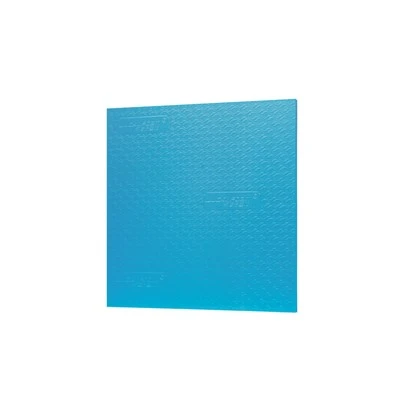
Understanding Floor Heating Insulation Boards
First off, let me quickly explain what floor heating insulation boards are. They’re a key component in underfloor heating systems. Their main job is to insulate the floor, making sure that the heat from the heating pipes or cables goes up into the room, not down into the subfloor. This not only saves energy but also makes your space warmer and more comfortable.
Floor heating insulation boards come in different types and materials, such as expanded polystyrene (EPS), extruded polystyrene (XPS), and polyurethane foam. Each type has its own set of properties, and these properties play a big role in determining whether the board is waterproof or not.
Are Floor Heating Insulation Boards Waterproof?
Well, it’s not a simple yes or no answer. Some floor heating insulation boards are indeed waterproof or at least water – resistant to a certain degree, while others aren’t.
Water – Resistant Boards
- XPS Boards: Extruded polystyrene boards are known for their high water resistance. They have a closed – cell structure, which means that water can’t easily penetrate the board. This makes them a great choice for areas where there’s a risk of water exposure. For example, in a bathroom, where there’s often splashing and humidity, XPS boards can hold up well against moisture. They won’t absorb water, so they won’t lose their insulating properties or become a breeding ground for mold and mildew.
- Polyurethane Foam Boards: Polyurethane foam insulation boards also offer good water resistance. Their cellular structure helps to repel water. When installed correctly, they can prevent water from seeping through and damaging the subfloor. These boards are often used in commercial kitchens and laundry rooms, where water spills are common.
Non – Waterproof Boards
- EPS Boards: Expanded polystyrene boards are not as waterproof as XPS or polyurethane foam boards. They have an open – cell structure, which means water can be absorbed into the board. If they’re exposed to water for a long time, they can become saturated. Once saturated, their insulating performance will decrease significantly. Also, the absorbed water can cause the boards to rot and deteriorate over time. So, you need to be extra careful when using EPS boards in damp areas. You might need to add a waterproof membrane on top of the boards to protect them.
Why Waterproofness Matters
Now, you might be wondering why it’s so important for floor heating insulation boards to be waterproof or water – resistant. Well, here are a few reasons:
Preserving Insulation Performance
Water can greatly affect the insulation properties of the boards. When a board absorbs water, it becomes less effective at preventing heat loss. That means your floor heating system will have to work harder to maintain the desired temperature, which leads to higher energy bills. By using waterproof boards, you can make sure that your insulation performs at its best for a long time.
Preventing Mold and Mildew Growth
Moisture is a breeding ground for mold and mildew. If your insulation boards get wet and stay that way, mold can start growing on them. Mold not only looks bad but can also cause health problems, especially for people with allergies or respiratory issues. Waterproof insulation boards reduce the risk of mold growth, keeping your indoor environment healthy.
Protecting the Subfloor
Water that seeps through non – waterproof insulation boards can damage the subfloor. It can cause the subfloor to warp, rot, or develop structural problems. This can be a costly and time – consuming issue to fix. Waterproof boards act as a barrier, protecting the subfloor from water damage.
How to Ensure Waterproofing
Even if you choose water – resistant insulation boards, there are still some steps you can take to ensure better waterproofing.
Install a Waterproof Membrane
A waterproof membrane is a thin layer that you can install between the insulation board and the finishing floor. It adds an extra layer of protection against water. There are different types of waterproof membranes available, such as liquid – applied membranes and sheet membranes. Make sure to choose the right one for your specific application.
Proper Installation
Proper installation is key to ensuring the waterproofness of the insulation boards. The boards should be installed tightly together, with no gaps or spaces. Any joints or seams should be sealed properly to prevent water from getting in. Also, make sure that the edges of the boards are protected to prevent water from seeping in from the sides.
Regular Maintenance
Regularly inspect your floor heating system and the insulation boards for any signs of water damage. If you notice any leaks or moisture, address the issue immediately. Clean the floors regularly to remove any spills or standing water that could potentially damage the insulation boards.
My Recommendations as a Supplier
Based on my experience as a floor heating insulation board supplier, I’d recommend the following:
- For High – Risk Areas: If you’re installing floor heating in a bathroom, kitchen, or basement, go for XPS or polyurethane foam insulation boards. Their high water resistance will give you peace of mind, knowing that your insulation will last and perform well.
- Additional Protection: No matter which type of board you choose, always consider adding a waterproof membrane. It’s a small investment that can save you a lot of headache in the long run.
- Quality Matters: Don’t skimp on the quality of the insulation boards. High – quality boards are more likely to have better waterproofing properties and will last longer.
Let’s Connect for Your Floor Heating Needs

If you’re in the market for floor heating insulation boards, I’d be more than happy to help. Whether you’re a homeowner looking to upgrade your heating system or a contractor working on a big project, I can offer you the right products and advice. With my wide range of floor heating insulation boards, you’re sure to find the perfect fit for your needs.
Fire Retardant Insulation Board Feel free to reach out to me to discuss your project. We can talk about the different types of boards, their waterproofing capabilities, and how they’ll work in your specific situation. I’m here to make sure you get the best value for your money and a floor heating system that keeps you warm and dry for years to come. So, let’s start this conversation and see how we can make your floor heating project a success!
References
- ASTM International. Standard Test Methods for Determining the Water Absorption of Thermal Insulation.
- Building Research Establishment. Guide to Moisture Control in Buildings.
- Insulation Manufacturers Association. Technical Literature on Floor Heating Insulation Products.
Wenzhou Lejia Energy-saving Material Co., Ltd.
As one of the leading manufacturers and suppliers of floor heating insulation board in China, we’re featured by quality products and good service. Please rest assured to buy advanced floor heating insulation board for sale here from our factory. We also accept customized orders.
Address: Block A, No. 128 Changxiu Road, Lingkun Subdistrict, Wenzhou Marine Economy Development Demonstration Zone, Zhejiang Province, China.
E-mail: luckyfoam@vip.163.com
WebSite: https://www.lfxps.com/
