Hey there, let’s cut to the chase—if you’re here asking, “Can I get aluminum doors with low-E glass?” I’m guessing you’re either a homeowner tired of sky-high energy bills, a contractor sourcing for a project that needs to meet efficiency codes, or maybe someone just learning the ropes of upgrading their space. And yeah, as an aluminum door supplier who’s fielded this question at least 10 times a week for the last five years, I’m gonna give you the straight scoop—no corporate jargon, no hype, just real talk. Aluminum Doors
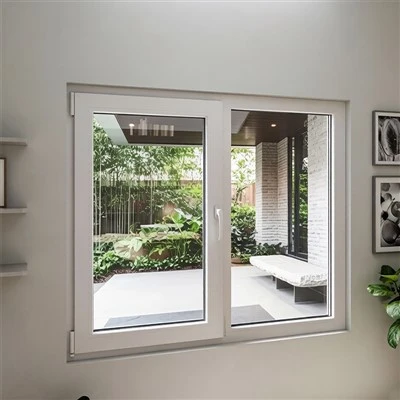
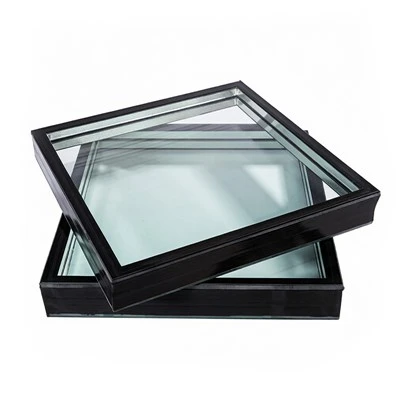
First off, let’s get one thing out of the way: Low-E glass and aluminum doors weren’t made to be strangers. In fact, it’s one of the most common combo requests we get, and for good reason. Wait, what even is low-E glass, anyway? If you’re not deep in the window/door game, that’s short for low-emissivity glass. It’s got a super thin, invisible metallic coating (like, so thin you can’t feel it) that bounces heat back where it belongs, depending on the time of year. Cold weather? It bounces indoor heat back into your house instead of letting it seep through the glass to the outside. Hot weather? It blocks that harsh, sweaty outdoor heat from getting in, so your AC doesn’t have to work overtime. That’s the “E” part—emissivity, or how well a surface emits (or keeps in) heat.
Now, aluminum doors. You might’ve heard old rumors that aluminum is terrible for insulation, right? Yeah, that’s the old-school stuff—thick, solid frames with zero breaks. But modern aluminum doors? They’re insulated like crazy, usually with a thermal break (a plastic or rubber strip inside the frame that separates the inside and outside aluminum) to stop heat transfer. Pair that with low-E glass, and you’ve got a combo that blows wooden or steel doors out of the water when it comes to energy efficiency. Way better than single-pane glass in aluminum doors, that’s for sure.
Wait, but hold on—can every aluminum door take low-E glass? Nah, not exactly, but the good ones (you know, the ones worth buying) are totally customizable. Let’s break down the types of aluminum doors we sell, because that’s probably what you’re actually curious about. We do three main lines: entry doors (front and back), sliding patio doors, and French doors.
Entry doors: Most of our standard entry doors come with either single, double, or triple glass panes. All of them can be fitted with low-E glass. The key here is knowing which low-E coating is right for your space. There’s low-E #2, which is for cold climates—it keeps indoor heat in, perfect if you live somewhere with brutal winters like upstate New York or Canada. Then there’s low-E #366, which is for hot, sunny places like Texas or Florida—it blocks the sun’s UV rays and keeps that outdoor heat out, so your living room doesn’t turn into a sauna mid-July. A lot of people mix those up at first, and we always take a minute to walk ’em through it, no extra charge. We even get asked about low-E for security entry doors—yeah, we do that too. You can get low-E glass with laminated layers for extra break resistance, so you don’t have to choose between efficiency and safety.
Sliding patio doors: These are super popular for backyards, especially if you’ve got a big open floor plan. The big glass panel on these is another no-brainer for low-E. Wait, but sliding doors sometimes have issues with air leaks, right? That’s not the glass’s fault—that’s how the door is installed and the frame is sealed. Pair sliding patio doors with low-E glass, add in a foam insulation strip around the frame, and you’re looking at energy savings that’ll actually show up on your utility bill. Last month, we sold a set of these to a guy in Arizona, and he texted us a week later saying his AC use dropped by 15% in just seven days. Worth mentioning: some sliding doors are made with thin aluminum frames that don’t hold thicker low-E panes, but we use heavy-gauge aluminum for all our sliding patio doors, so we can fit up to triple-pane low-E glass if you want it.
French doors: If you’re going for that timeless, elegant look for your entry or patio, French doors are the way to go. And low-E glass is perfect here because it’s big, uninterrupted glass (well, two panels) that would otherwise lose or gain tons of heat. We usually recommend double-pane low-E for French doors, but if you live in a super extreme climate (like Minnesota in winter, or Nevada in summer), we can do triple-pane low-E too. One thing to note with French doors: the seals matter. If the seals around the glass panels or the frame are bad, even the best low-E glass won’t help. That’s why we use industrial-grade silicone seals on all our doors—no cheap rubber that cracks after two years.
Now, let’s get into the nitty-gritty: Is there a catch here? Because if you’re shopping around, you’ve probably heard that low-E glass can be pricey. Yeah, it’s a step up from standard clear glass, but the energy savings will pay for itself in like 3-5 years, depending on where you live. And aluminum doors are actually cheaper than solid wood doors that have to be refinished every 5-10 years. Wood rots, scratches, warps—aluminum is durable, low-maintenance, and when paired with low-E glass, it’s a long-term investment.
Another thing people worry about: Does low-E glass look weird? Like, does it tint your house or make it hard to see out? Nah, the coating is totally invisible to the naked eye. You can tell it’s there if you hold a flashlight up to the glass—you’ll see a faint reflection, but from the street, it looks just like clear glass. We’ve had customers who put low-E glass in and their neighbors didn’t even notice until we showed them the energy bill savings.
Wait, what about noise? If you live near a busy road or a park, low-E glass can actually help with that too. The double or triple panes plus the coating add extra sound insulation. I had a customer last year who lives right next to a highway—he got our aluminum sliding patio doors with low-E, and said the traffic noise went from being super loud to just a faint hum. That’s a bonus a lot of people don’t think about when they’re asking about low-E and aluminum doors.
Is there any case where low-E glass isn’t a good fit? Hmm. Let’s see… if you’re building a shed or a small outdoor structure where you don’t care about energy efficiency, standard clear glass is fine. But for any door that’s part of your main living space, especially doors that face the sun or are in a climate with extreme temps? Low-E is a no-brainer. Also, if you have a very old house with thin walls, pairing aluminum doors with low-E glass will help balance out the whole house’s insulation, not just the door.
Now, as your aluminum door supplier, I should tell you how we make this easy. When you order doors from us, we don’t make you guess about the glass. We’ll send you a spec sheet that tells you exactly what kind of low-E coating is best for your climate, how many panes you need, and even what the R-value (that’s the measure of insulation) is for the door. For reference, our standard aluminum entry door with double-pane low-E has an R-value of around 5, which is way higher than a basic wooden door (which is usually around 2 or 3). If you want a higher R-value, we can upgrade to thermal breaks in the frame too, which adds a little cost but makes a huge difference.
Wait, let’s address a common myth I hear all the time: “Aluminum doors are too heavy for low-E glass.” No, that’s outdated. Our aluminum doors are precision-cut, so the frames are engineered to hold even thick triple-pane low-E glass without sagging or warping. We test every door before it leaves our warehouse, so you don’t have to worry about that. We had a customer in Alaska last year who got our 8-foot tall French doors with triple-pane low-E, and they’ve held up for two winters in -20°F temperatures—no issues, no drafts.
Another thing: Low-E glass is available in different tints if you want it for privacy or style. Some people like a light blue tint on the low-E coating, which is barely noticeable from the inside but cuts down on glare. That’s great if you have a home office near the door or a TV that you don’t want to have glare on. We can do that too, no extra hassle.
Now, let’s talk about installation. Even the best aluminum doors with low-E glass won’t work right if they’re installed badly. That’s why we work with trusted contractors all over the country, or we can send you a step-by-step guide if you’re a DIY person. We’ve seen too many instances where a customer bought a fancy door with low-E, but the installer didn’t seal the gaps around the frame, so all the efficiency was wasted. So we always emphasize that installation is just as important as the product itself.
If you’re still on the fence, let’s do a quick cost breakdown. A standard 36-inch aluminum entry door with double-pane clear glass is around $800. The same door with low-E glass is around $950. That’s a $150 difference. If you live in a place with $0.15 per kWh electricity, that $150 will pay for itself in about 2 years. After that, you’re saving money every month. Plus, aluminum doors last 20-30 years, so that’s a no-brainer.
Wait, what about warranties? All our aluminum doors come with a 10-year warranty on the frame and 5 years on the glass seals. And if you get low-E glass, the coating is covered under that glass seal warranty, so if it ever wears out (which it won’t, but just in case), we’ll replace it. No hidden fees, no fine print.
So to circle back to your original question: Yes, you absolutely can get aluminum doors with low-E glass. It’s not just possible—it’s one of the most popular and practical combinations on the market right now. It saves you money on utilities, adds durability, cuts down on noise, and looks great with any style of door, whether it’s a front entry, sliding patio, or French doors.
If you’re ready to browse options, get a custom quote, or have more questions about which low-E coating is right for your space, just reach out. We walk every customer through the process, no pushy sales stuff, no confusing jargon. Just real answers, real products, and real service.
Don’t wait—upgrading your doors is one of the easiest ways to boost your home’s efficiency and value. Let’s chat today.
Aluminum Windows References:
- Department of Energy. (2023). Energy-Efficient Windows and Doors. U.S. Department of Energy.
- Aluminum Association. (2022). Aluminum Doors and Windows: Thermal Performance and Benefits. The Aluminum Association.
- Glass Association of North America. (2021). Low-E Glass Specifications and Applications. Glass Association of North America.
- National Association of Home Builders. (2023). Home Upgrades That Pay Off: Door and Window Efficiency. National Association of Home Builders.
Wuhu Xupin Architectural Decoration Engineering Co., Ltd.
As one of the most professional aluminum doors manufacturers and suppliers in China, our products have good reputation in the market. Welcome to wholesale bulk aluminum doors in stock here and get quotation from our factory. Customized orders are welcome.
Address: No. 11 Weiba Road, Fangcun Industrial Concentration Zone, Jinghu District, Wuhu City, Anhui Province
E-mail: 13470752088@163.com
WebSite: https://www.xupinwindows.com/
