If you’ve ever bought one of our acrylic table tents and wondered “how the heck do I keep these looking fresh for months (if not years)?” — you’re not alone. As an acrylic table tent supplier, I field this question almost every day from café owners, event planners, and even small business owners who grab a handful to update their menu boards or promotional displays. Acrylic (that’s the fancy plastic everyone calls “perspex” or “Plexiglas”) is tough, but it’s not unbreakable. Mess up storage, and you’ll end up with scuffs, clouding, or even warped edges that make your once-sharp display look cheap. Acrylic Table Tent

So let’s cut to the chase: what’s the best way to store an acrylic table tent? It’s not just shoving them in a closet or stacking them on a shelf. It’s a mix of simple, science-backed steps that actually work. And yeah, I’ve messed this up before — back when we were just a tiny supplier, I stored a batch of custom table tents in a damp back room, and half of them turned cloudy within two weeks. Let that be a warning.
First, let’s start with the basics: why acrylic storage is different from, say, storing paper or glass. Acrylic is lightweight, but it scratches way easier than glass — even a paper towel with a tiny grain of dust can act like sandpaper. It’s also sensitive to temperature extremes: leave it in a hot car trunk in summer, and it might warp. Leave it in a freezing garage in winter, and it could crack if you bend it too far. Plus, it attracts static, so it loves sticking to fabrics or other acrylic pieces when you pull them out.
That’s why the first rule of storing acrylic table tents (or any acrylic goods, really) is to avoid direct contact with harsh stuff. Let’s break down the step-by-step, no-fluff method I swear by, and that’s the same one I share with every client who asks for storage tips.
First step: Prep the table tents before you store them. Don’t just tuck them in dirty. I always tell clients to do a quick “wipe down” first. Grab a microfiber cloth (the same kind you use for eyeglasses works great) and a mild, soapy solution — like a dab of dish soap mixed with lukewarm water. Avoid harsh cleaners, like Windex or window spray, because they have ammonia that eats away at acrylic’s clear shine. And whatever you do, never use paper towels, newspaper, or rough sponges. Those will leave tiny scratches you can’t buff out later.
For smudges that won’t budge (like a coffee ring from a leftover coffee shop tent), add a tiny bit of white vinegar to the soapy mix — it cuts through grease without being harsh. Gently wipe the tent, then rinse it with cool (not cold, not hot) water, and pat it dry with the same microfiber cloth. Let them air dry fully before storing — dampness is the #1 enemy for acrylic clouding. That’s the mistake I made with that first batch: I rushed the drying, stored a couple while they were still damp, and moisture got trapped between layers, turning edges cloudy. Don’t be that person.
Next: How to actually stack them. Here’s where most people mess up. If you just pile acrylic table tents on top of each other, the weight of the top ones will press down on the bottom, and those thin edges will bend. Worse, if there’s even a tiny piece of dust between two tents, it’ll scratch both surfaces as they rub together. So never stack them directly. Use something to separate each one. What works best? Sheets of acid-free paper — not regular printer paper. Regular paper has acidic compounds that can discolor acrylic over time, especially if it’s stored for more than a couple months. Acid-free paper is cheap, and it’s what museums use to store artwork, so it won’t damage your acrylic. If you don’t have acid-free paper, a clean cotton sheet cut to size works in a pinch — just make sure there’s no thread fuzz that could catch.
Also, how many should you stack at once? I’d cap it at 10-12 table tents max. Any more than that, and the bottom ones will start to warp, especially if your storage space is a little warm. If you have more than 12, split them into separate stacks, each with its own separating paper.
Then, where to put the stack? This is non-negotiable: pick a cool, dry, dark space. What counts? A closet shelf in a temperature-controlled office or home storage room — not a garage, not a attic, not a car. Garages swing from -10°F in winter to 100°F+ in summer; that extreme temperature swing makes acrylic expand and contract, which leads to warping or cracking. Attics get too hot and too humid, which breeds that clouding I talked about. Dark space is key too — sunlight (UV rays) over time can make acrylic yellow, especially if it’s colored acrylic. Even a little yellowing will make your display look old, even if it’s only a month old.
Wait, what if you’re storing them long-term — like 6 months or more? Then you need an extra layer of protection. Grab a clear, plastic storage bin with a lid (not the flimsy ones, the sturdy ones with a tight seal). Line the bottom with a layer of that acid-free paper, set your stacked, separated table tents on top, then tuck a small packet of silica gel (you know, the ones that come in shoe boxes or electronics packaging) in the bin with them. Silica gel absorbs excess moisture, so it prevents that cloudy stuff from forming. Just make sure you don’t let the silica touch the acrylic directly — put it in a small cloth bag or wrap it in a tiny piece of paper. That way, if it breaks open, the gel won’t leave a mess on your tent.
And let’s talk about what not to do. I see this all the time from clients who try to cut corners: don’t hang them by the top edge to store. Even if they’re folded (most table tents fold flat for storage), hanging them can bend the crease or crack the top. Don’t store them standing up on their edges, either — the weight of the display part will make it lean, and over time that edge will stay bent. Don’t use bubble wrap to wrap them individually, unless it’s the static-free kind. Regular bubble wrap creates static, which makes acrylic stick, and the little air bubbles can leave indentations if you wrap too tight. If you have to use bubble wrap, let it sit for 24 hours in the space you’re storing it to get rid of excess static first.
Now, let’s add a little supplier-specific pro tip here. At our shop, we test every batch of acrylic table tents to make sure they’re strong enough, but we also use these storage steps ourselves for leftover inventory that sits for a few months. We once had a client who stored 50 table tents in a basement (bad call, super humid) and half of them turned cloudy. We replaced half for free, but now we send them a free set of acid-free paper every time they reorder, so they don’t make the same mistake.
Another thing: if your acrylic table tent has a custom print (like a logo, menu item, or event graphic), the storage is the same, but you want to make sure the print doesn’t rub off. That’s why separating each tent is so important — if two printed sides rub together, the ink can smudge or transfer. We print our tents with UV-resistant ink, but even that can fade if left in direct sunlight for too long, which is another reason to store them in the dark.
Wait, what about if you’re storing unassembled table tent kits? Some clients buy flat kits to assemble on-site, right? For those, the same rules apply, but you want to store the bases and top pieces flat, not folded. Don’t bend the tabs to fit them in a small space — that can cause cracks that turn into breaks later. If you have flat kits, lay them flat in a bin, separate each layer with acid-free paper, and stack light items on top (no heavy boxes).
Let me address a common question: can you store acrylic table tents upright in a drawer? Only if the drawer is deep enough, and you line it with soft fabric or acid-free paper. If the drawer is too shallow, the edges will stick out, and you’ll scratch them when you open and close the drawer. I’ve had clients try this, and half the time they come to me with a pile of scratched tents because the drawer sides rubbed against the clear edges. So if you’re going drawer-storage, make it a wide, deep drawer, and line it well.
Here’s the real test: when you take your table tents out of storage, do a quick check. If they’re still clear, no scuffs, and the creases aren’t bent, you did it right. If there’s clouding, it’s probably moisture — next time, make sure they’re fully dry before storing, and add a silica packet. If there are scratches, you either skipped the separating paper or used a rough cloth to clean them. If they’re warped, your storage spot was too hot.
I know, this sounds like a lot of steps, but it’s honestly 10 minutes of work to prep a batch of table tents for storage, and it saves you from wasting money on displays that look bad. As an acrylic table tent supplier, my goal is for you to use our products for as many events or promotions as possible, so storing them right makes sense for both of us.
If you’re a café owner gearing up for seasonal menu changes, an event planner who has leftover promotional displays, or a small business owner who needs to stock up for upcoming pop-ups, we’ve got you covered. We make acrylic table tents in all sizes, from 4×6 inch countertop ones to large 8×10 inch event displays, and we can customize them with your logo or graphics too. We’re always updating our product line, and we offer bulk discounts for clients who need a lot.
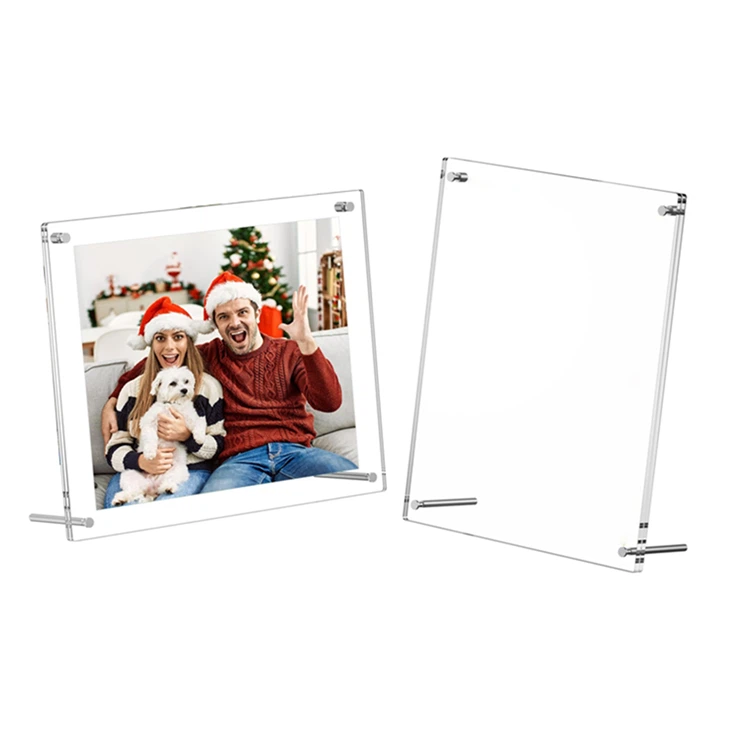
So if you’ve got a batch of acrylic table tents that’s been sitting in a closet, or you’re ready to stock up for your next big promotion, reach out to us to talk pricing, customization, or even more storage tips. We’re here to help you keep your displays looking sharp, no matter how long you’ve had them.
Acrylic Photo Frame References:
- Perspex vs. Acrylic: Properties and Care, Plastics Industry Association, 2022
- Museum Storage Guidelines for Acrylic Objects, American Alliance of Museums, 2021
- Common Acrylic Damage Causes and Prevention, Clear Shield Plastics, 2023
- Static Control for Acrylic Displays, Industrial Plastic Supply Association, 2022
Wenzhou Daoqin Crafts Co., Ltd.
With abundant experience, we are one of the most professional acrylic table tent manufacturers and suppliers in China. Please rest assured to wholesale bulk customized acrylic table tent from our factory. If you have any enquiry about quotation and free sample, please feel free to email us.
Address: Room 401, Building 5, Wanyang Innovation City, No. 9 Yangyu Road, Binhai New Area, Pingyang County, Wenzhou City, Zhejiang Province, China
E-mail: wzdaoqin@163.com
WebSite: https://www.wzacrylic.com/
