Relays and protection devices are critical components in electrical systems, safeguarding equipment and ensuring the reliable operation of power networks. As a supplier of these essential products, I understand the various costs associated with relays and protection devices. In this blog, I will delve into the different types of costs, including acquisition, installation, operation, maintenance, and replacement costs, and provide insights into how to manage these costs effectively. Relays & Protection Devices
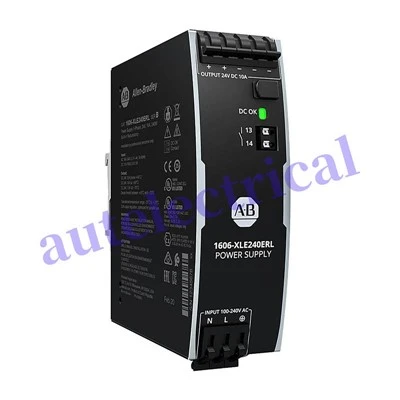
Acquisition Costs
The acquisition cost is the initial expense of purchasing relays and protection devices. This cost includes the price of the equipment itself, as well as any additional costs such as shipping, taxes, and customs duties. The price of relays and protection devices can vary significantly depending on several factors, including the type, brand, features, and specifications of the product.
- Type of Device: Different types of relays and protection devices serve various functions and come with different price tags. For example, overcurrent relays, which are used to protect against excessive current, are generally less expensive than differential relays, which are more complex and provide higher levels of protection.
- Brand and Quality: Well – known brands often command higher prices due to their reputation for reliability and quality. However, it’s important to note that a higher price does not always guarantee better performance. Some lesser – known brands may offer comparable products at a lower cost.
- Features and Specifications: Relays and protection devices with advanced features such as communication capabilities, self – diagnostics, and high – precision measurement are typically more expensive than basic models. When selecting a device, it’s essential to consider whether the additional features are necessary for your specific application.
To manage acquisition costs, it’s important to conduct thorough research and compare prices from different suppliers. Requesting quotes from multiple vendors can help you find the best deal without sacrificing quality. Additionally, consider purchasing in bulk if possible, as many suppliers offer volume discounts.
Installation Costs
Installation costs are incurred when relays and protection devices are installed in an electrical system. These costs include labor, materials, and any necessary equipment for the installation process.
- Labor Costs: The labor cost for installation depends on the complexity of the installation and the skill level of the technicians. Installing a simple overcurrent relay may require less time and expertise compared to a more complex differential protection system.
- Materials and Equipment: In addition to the relays and protection devices themselves, installation may require other materials such as wiring, conduits, and mounting hardware. The cost of these materials can add up, especially for larger installations.
- Testing and Commissioning: After installation, the relays and protection devices need to be tested and commissioned to ensure proper operation. This process may involve using specialized testing equipment and may require additional labor costs.
To minimize installation costs, it’s important to have a clear understanding of the installation requirements before starting the project. Hiring experienced and qualified technicians can help ensure that the installation is completed efficiently and correctly, reducing the risk of costly rework. Additionally, consider purchasing installation kits from the supplier, which can include all the necessary materials and components, potentially saving on material costs.
Operation Costs
Operation costs are the ongoing expenses associated with the use of relays and protection devices. These costs include energy consumption, monitoring, and communication.
- Energy Consumption: Relays and protection devices consume electrical energy during operation. While the energy consumption of individual devices is typically low, the cumulative energy consumption of a large number of devices in a power system can be significant. Choosing energy – efficient devices can help reduce operation costs over the long term.
- Monitoring and Communication: Many modern relays and protection devices are equipped with monitoring and communication capabilities, allowing for remote monitoring and control. However, these features may require additional infrastructure and communication services, which can add to the operation costs.
To manage operation costs, it’s important to select energy – efficient devices and optimize the use of monitoring and communication features. Regularly review the energy consumption of the devices and implement energy – saving measures such as adjusting the settings or replacing older, less efficient devices.
Maintenance Costs
Maintenance costs are incurred to ensure the proper functioning and reliability of relays and protection devices over their lifespan. These costs include preventive maintenance, corrective maintenance, and spare parts.
- Preventive Maintenance: Preventive maintenance involves regular inspections, cleaning, and testing of the relays and protection devices to detect and prevent potential problems. This type of maintenance helps extend the lifespan of the devices and reduces the risk of unexpected failures.
- Corrective Maintenance: Corrective maintenance is performed when a device fails or malfunctions. This may involve repairing or replacing the faulty components, which can be costly, especially if the device is complex or requires specialized parts.
- Spare Parts: Keeping a stock of spare parts is essential for minimizing downtime in case of a failure. However, the cost of storing and maintaining spare parts can be significant.
To manage maintenance costs, it’s important to develop a comprehensive maintenance plan. This plan should include regular preventive maintenance tasks, as well as procedures for handling corrective maintenance. Additionally, work closely with the supplier to ensure the availability of spare parts and to get advice on the most cost – effective maintenance strategies.
Replacement Costs
Replacement costs are incurred when relays and protection devices reach the end of their lifespan or become obsolete. These costs include the cost of the new device, as well as the installation and disposal costs.
- Device Lifespan: The lifespan of relays and protection devices can vary depending on the type, quality, and operating conditions. Generally, well – maintained devices can last for several years, but eventually, they will need to be replaced.
- Technological Advancements: The rapid pace of technological advancements in the field of relays and protection devices means that older models may become obsolete over time. Replacing obsolete devices with newer, more advanced models can improve the performance and reliability of the electrical system.
- Disposal Costs: When replacing a device, there may be disposal costs associated with the old device. This is especially true for devices that contain hazardous materials.
To manage replacement costs, it’s important to plan for the replacement of relays and protection devices in advance. Keep track of the device’s lifespan and performance, and consider upgrading to newer models when it makes economic sense. Additionally, ensure that the old devices are disposed of in an environmentally friendly manner.
Managing Costs Effectively

As a supplier of relays and protection devices, I understand the importance of helping my customers manage their costs effectively. Here are some tips for reducing the overall costs associated with relays and protection devices:
- Select the Right Device: Choose the relays and protection devices that are best suited for your specific application. Avoid over – specifying the devices, as this can lead to unnecessary costs.
- Work with a Reliable Supplier: Partner with a supplier who offers high – quality products at competitive prices. A reliable supplier can also provide technical support, maintenance services, and advice on cost – effective solutions.
- Implement a Maintenance Program: Develop and implement a comprehensive maintenance program to ensure the proper functioning and reliability of the devices. Regular maintenance can help prevent costly failures and extend the lifespan of the devices.
- Plan for the Future: Anticipate future needs and technological advancements when selecting and installing relays and protection devices. This can help avoid costly upgrades and replacements in the future.
Installation Accessories In conclusion, relays and protection devices are essential components in electrical systems, but they come with various costs. By understanding these costs and implementing effective cost – management strategies, you can ensure the reliable operation of your electrical system while keeping costs under control. If you are interested in learning more about our relays and protection devices or have any questions regarding cost management, I encourage you to reach out to me for a detailed discussion and to explore potential purchasing opportunities.
References
- Blackburn, J. L., & Domin, D. J. (2007). Protective Relaying: Principles and Applications. CRC Press.
- Grigsby, L. L. (Ed.). (2007). Electric Power Engineering Handbook. CRC Press.
- Kothari, D. P., & Nagrath, I. J. (2010). Modern Power System Analysis. Tata McGraw – Hill.
Xiamen Shengcheng Automation Co., Ltd.
As one of the most professional relays & protection devices suppliers in China, we offer a wide range of products with superior quality. Please rest assured to buy bulk discount relays & protection devices from our factory. For price consultation, contact us.
Address: Room 1104, Building A, No.1 Golden Bay Fortune Center, No. 999, Anling Road, Heshan Street, Huli District, Xiamen City, Fujian Province, China
E-mail: sales@cn2014.com
WebSite: https://www.autelectrical.com/
