Hey there! I’m a supplier of Turn – Mill Machines, and today I wanna talk about the difference between a fixed – head and a sliding – head Turn – Mill Machine. It’s super important to understand these differences, whether you’re a newbie in the machining world or a pro looking to upgrade your equipment. Turn‑Mill Machine Machine
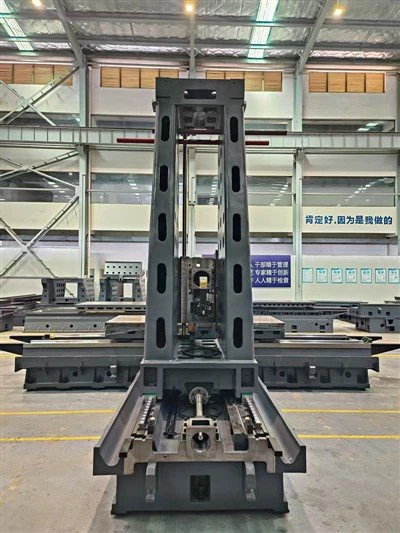
Let’s start with the fixed – head Turn – Mill Machine. This bad boy is a classic in the machining industry. The fixed – head design means that the headstock, which holds the workpiece, stays put in one position. It doesn’t move along the axis of the machine. This setup gives it a few key features.
One of the big advantages of a fixed – head Turn – Mill Machine is its stability. Since the headstock is fixed, there’s less vibration during the machining process. This stability is crucial when you’re working on large or heavy workpieces. You can get really precise cuts and high – quality finishes because the machine isn’t jiggling around. For example, if you’re making big components for heavy machinery, like gears or shafts, a fixed – head machine can handle the job like a champ.
Another plus is its simplicity. The fixed – head design is generally easier to understand and operate. There are fewer moving parts, which means less maintenance and fewer things that can go wrong. If you’re a small – scale shop or just starting out, a fixed – head machine can be a great choice because you don’t need a team of experts to run it. You can train your operators relatively quickly, and they’ll be up and running in no time.
However, fixed – head machines do have their limitations. They’re not as flexible when it comes to machining complex parts. Since the headstock doesn’t move, you might have to reposition the workpiece multiple times to get all the necessary cuts. This takes extra time and can introduce errors in the machining process. Also, if you need to work on long, thin workpieces, a fixed – head machine might not be the best option. The lack of movement can make it difficult to support the workpiece properly, leading to issues like bending or chatter.
Now, let’s shift gears and talk about the sliding – head Turn – Mill Machine. This type of machine has a headstock that can move along the Z – axis of the machine. This movement gives it some unique capabilities.
The biggest advantage of a sliding – head machine is its ability to machine complex parts in a single setup. With the headstock moving, you can access different parts of the workpiece without having to reposition it. This not only saves time but also improves accuracy. For example, if you’re making small, intricate parts like medical devices or watch components, a sliding – head machine can create them with incredible precision. It can do a variety of operations, like turning, milling, drilling, and threading, all in one go.
Sliding – head machines are also great for high – volume production. Since they can machine parts quickly and accurately, you can churn out a large number of parts in a short amount of time. This is a big plus for manufacturers who need to meet tight deadlines or have a high demand for their products.
But, just like the fixed – head machines, sliding – head machines aren’t perfect. They’re generally more expensive to buy and maintain. The complex design with the moving headstock means there are more parts that can wear out or break. You also need to have more skilled operators to run these machines. They need to understand how the movement of the headstock affects the machining process and be able to program the machine accordingly.
In terms of size, sliding – head machines are typically better suited for machining small to medium – sized workpieces. They’re not as effective for very large or heavy parts because the moving headstock might not be able to handle the weight and the forces involved in machining.
So, how do you decide which type of machine is right for you? Well, it depends on a few factors. If you’re working on large, simple parts and need a machine that’s stable and easy to operate, a fixed – head Turn – Mill Machine is probably your best bet. On the other hand, if you’re dealing with small, complex parts and need high – volume production, a sliding – head machine might be more suitable.
It’s also important to consider your budget. Fixed – head machines are usually more affordable upfront and have lower maintenance costs. But if you can invest in a sliding – head machine, the long – term benefits in terms of productivity and precision can be well worth it.
As a Turn – Mill Machine supplier, I can tell you that both types of machines have their place in the industry. I’ve seen businesses thriving with fixed – head machines and others making huge profits with sliding – head ones. The key is to understand your specific needs and choose the machine that aligns with them.
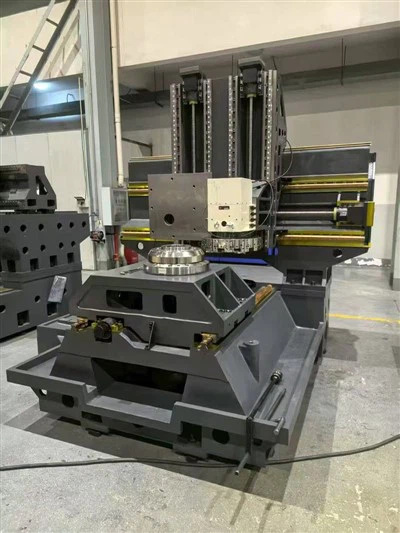
If you’re still not sure which machine is right for your business, or if you have any questions about our Turn – Mill Machines, don’t hesitate to reach out. I’m here to help you make the best decision for your manufacturing operations. Whether it’s about the technical details, pricing, or after – sales support, I’ll be glad to assist you. Just drop me a line, and we can start a conversation about how we can meet your machining needs.
XY Linear Way Vertical Machining Center References:
- Machining Handbook for Turn – Mill Machines
- Industry reports on metalworking equipment
Smartech Machinery & Equipment Co., Ltd.
As one of the most professional turn‑mill machine machine manufacturers and suppliers in China, we also support customized service. Please rest assured to buy bulk turn‑mill machine machine made in China here from our factory. Contact us for more details.
Address: Room 2832, Changping Commercial Mansion, Shihua Road, Futian Free Trade Zone, Shenzhen, China
E-mail: smartech@smartechcnc.cn
WebSite: https://www.smartech-cnc.com/
