If you’ve ever wondered how raw materials like iron ore, manganese, or ferrosilicon get melted down to produce the alloys that build our skyscrapers, power our factories, and even make the car parts that keep us moving, there’s a good chance a Submerged Arc Furnace (SAF) played a key role. As a supplier who’s spent the last 12 years building and troubleshooting these furnaces for metal producers across North America and Europe, I’ve fielded hundreds of calls from operators who’ve watched their furnaces run 24/7 but never fully understood how the core process works. Today, I want to break down that working principle in plain, practical terms—no overly technical jargon, just what actually happens inside the steel-lined shell that’s the heart of every SAF. Submerged Arc Furnace
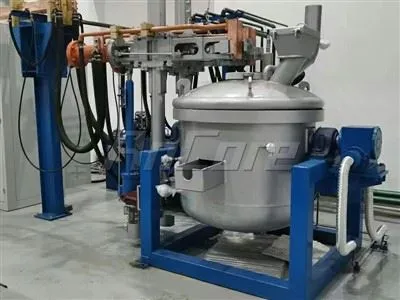
First, let’s start with the basics of what a Submerged Arc Furnace isn’t. Unlike electric arc furnaces (EAFs) that hold the arc between electrodes and a pile of scrap metal exposed to the air, SAFs bury that entire arc under a thick layer of raw feedstock. That’s the key difference that makes them irreplaceable for high-volume, high-temperature melting of dense, mineral-based materials. The main parts of a SAF are pretty standard across every model I’ve worked on: a heavy-duty steel shell lined with refractory brick to withstand 3,000°C+ temperatures, three massive graphite electrodes hanging down through a sealed roof, and a hopper system that feeds raw materials into the top of the furnace. Most SAFs run on alternating current (AC) with three electrodes, spaced 120 degrees apart, though some smaller specialty units use direct current (DC), but AC is the workhorse for ferroalloy production, which is what 90% of our clients use our furnaces for.
The process kicks off long before the furnace is turned on. First, we load the furnace with a “bed” of materials that act as both feedstock and a protective blanket. For a standard ferrochrome furnace, that’s a mix of calcined chromite ore, coke (a carbon-rich fuel made from coal), and flux like limestone or dolomite to adjust the chemical balance of the final alloy. The coke isn’t just fuel—it’s the material that will eventually submerge the arc, and it’s also the reducing agent that strips oxygen from the metal ore. Before power is turned on, we light a small pilot arc between the electrodes and a pile of solid coke at the bottom of the furnace. Once that arc is stable, we slowly lower the electrodes further into the coke bed, and here’s where the magic starts: the intense heat of the arc—around 3,500°C, hotter than the surface of the sun—causes the surrounding coke to vaporize into carbon monoxide (CO) gas, and that gas pushes upward through the feedstock, creating a porous, channeled layer that lets more air circulate. As we keep lowering the electrodes, they eventually sink far enough that the entire arc is buried under a thick 1 to 3 meter layer of the mixed feedstock. That’s the “submerged” part, and it’s what makes this process so efficient and clean compared to other melting methods.
Now, let’s get into the core working mechanism: the arc is a continuous electrical pathway that carries massive amounts of power—often 10 to 100 megawatts, depending on the furnace size—between the three electrodes, jumping through the porous gas and coke layer to the molten pool at the bottom of the furnace. The resistance of the material between the arc and the molten pool generates the immense heat needed to melt the ore. That heat doesn’t just melt the ore; it drives a series of chemical reactions called smelting, which is the whole point of the SAF. Let’s take a ferroalloy example to make this concrete: when chromite ore (FeCr2O4) is heated to 1,600°C, the carbon from the coke reacts with the oxygen in the ore to form CO gas, leaving behind molten iron and chromium that combine to make ferrochrome. The flux (limestone) melts at lower temperatures, acting like a solvent that separates the molten metal from the waste rock (called slag), which floats on top of the heavier metal pool at the bottom.
One of the biggest challenges operators face is keeping the arc properly submerged. If the electrodes are too high, the arc becomes exposed to the air, wasting heat and causing more wear on the electrodes. If they’re too low, they get buried in solid feedstock, cutting off the power and stopping the smelting reaction. That’s where a lot of the design work from a good supplier like me comes in. We equip every furnace with automatic electrode regulation systems that use real-time data on power draw, temperature, and feedstock density to adjust electrode height by just a few millimeters every few seconds, keeping the arc perfectly submerged 24/7. I’ve seen furnaces run manually for weeks with only 70% efficiency, but with the right regulation, that jumps to 90% or more—thousands of dollars in extra revenue a month, just from small, precise adjustments.
Another key part of the working principle is how heat and material move through the furnace. The arc isn’t stationary; it’s a turbulent, high-energy zone that heats up the surrounding feedstock. As materials melt, the heavier molten metal sinks to the bottom of the pool, while the lighter slag floats on top. The unreacted feedstock and the porous coke bed slowly move downward as material is consumed, and we feed new raw materials into the top of the furnace at a rate that matches how much metal and slag are tapped out of the bottom every few hours. That continuous, countercurrent flow—hot gas moving up, feed moving down, molten products moving out—means the SAF is a highly efficient reactor, with almost all the heat generated by the arc used for smelting, not lost to the atmosphere.
Wait, but what about the gas that’s produced? That’s not a waste product. The CO gas from the smelting reaction rises through the feedstock layer, and we capture it through vent systems on the furnace roof. A lot of our clients use that CO to heat their offices, power other parts of their facility, or even generate electricity, cutting down on their energy costs by 30% or more. It’s a perfect example of how the SAF’s design turns a byproduct into a revenue stream, something we always emphasize when working with new clients.
I should also address a common misconception I hear all the time: “Is the arc always completely submerged?” The short answer is, for most of the operating cycle, yes— but there are small fluctuations that are normal, especially when we adjust feed rates or change the alloy we’re producing. For example, when switching from ferrosilicon to manganese alloy, the feedstock mix changes, which changes the resistance of the bed, so the regulation system will adjust electrode height to compensate. A good operator learns to read the small changes in power draw and electrode position to catch issues before they become problems, which is why we offer training and ongoing support to every client who buys a furnace from us.
Now, let’s talk about what makes this process different from other smelting methods, because that’s why SAFs are the standard for high-volume ferroalloy and specialized metal production. Unlike EAFs that melt scrap, SAFs process raw mineral ore directly, so they’re essential for making alloys that are added to steel to make it stronger, more corrosion-resistant, or able to withstand high temperatures. Those alloys are used in everything from construction steel to stainless steel for kitchenware, from automotive parts to wind turbine components. Without SAFs, we wouldn’t be able to produce enough of these alloys to meet global demand.
As someone who’s been in this industry for over a decade, I’ve seen how important it is to get every part of the SAF’s working principle right. A poorly designed electrode regulation system can cause the arc to flicker, wasting power and wearing out electrodes faster. Incorrect refractory lining can lead to leaks, which can shut down a furnace for days, costing a client tens of thousands of dollars. That’s why when we build a SAF, we don’t just put together parts from a catalog; we tailor every component to the specific needs of our client: what alloy they’re producing, their power grid capacity, their tap schedule, even their facility layout. Last year, we worked with a manganese producer in Oklahoma that was running an old furnace with 65% efficiency, so we retrofitted their regulation system, adjusted their feed hopper design, and trained their operators. Within six months, their efficiency jumped to 88%, and they were able to increase production by 12% without adding any new power. That’s the difference that understanding the working principle of a SAF, and applying that knowledge to build the right equipment, makes.
I know for new operators, all this can sound a bit overwhelming at first. When I first started working with SAFs, I spent weeks watching my mentor adjust electrode heights, trying to pick up on the small cues that told him when the arc was off. But once you understand the core process—how the submerged arc generates heat, drives the chemical reactions, separates metal from slag, and moves materials continuously—it starts to make sense. Every part of the furnace works in sync, and even small tweaks can have a big impact on performance.

If you’re a metal producer looking to upgrade your existing SAF, or if you’re in the market for a new furnace that’s built for efficiency, reliability, and long-term performance, I’d encourage you to reach out. We don’t just sell furnaces; we work with you every step of the way, from design and installation to ongoing maintenance and operator training, to make sure your SAF is running at peak efficiency for years to come.
Electric Arc Furnace References:
- Billingsley, M. (2020). Submerged Arc Furnace Design and Operation for Ferroalloy Production. Journal of Industrial Heating, 87(4), 29-35.
- Elliott, J. F., & Oelsen, W. (2018). Principles of Electric Smelting in Submerged Arc Furnaces. Iron and Steel Engineer, 95(7), 42-48.
- Smith, R. G. (2021). Heat Transfer and Chemical Reactions in Submerged Arc Furnace Beds. Metallurgical and Materials Transactions B, 52(3), 1892-1901.
Xi’an Ancore Furnace Complete Set Of Equipment Co., Ltd.
As one of the most professional submerged arc furnace manufacturers and suppliers in China, we’re featured by quality products and good price. Please rest assured to buy durable submerged arc furnace made in China here from our factory. We also accept customized orders.
Address: Yongli 11007, No.6 Jinye 1st Road, Yan Ta District, Xi’An City, Shan Xi,China.
E-mail: info@ancorefurnace.com
WebSite: https://www.ancorefurnace.com/
