If you’re in the recycling, metal processing, or waste management space, chances are you’ve heard of carbon raiser—even if you didn’t know it by that exact name. I’ve been supplying carbon raiser for over 7 years now, and I can’t tell you how many times a customer will reach out saying, “I thought that was just for steel manufacturing!” and then we end up uncovering 2 or 3 more spots they could actually use it in. So today, I’m pulling back the curtain on where carbon raiser is most commonly used, why it matters, and what you should know before buying (no sales jargon, promise). Carbon Raiser

First, let’s keep it simple: carbon raiser is basically a high-carbon product—usually calcined petroleum coke, coal, or sometimes graphite-based—designed to add carbon to materials that are low on it. You’d be shocked how many industries need that specific boost, not just the big steel plants everyone talks about. Let’s start with the most common use, and then move to the under-the-radar spots that a lot of suppliers forget to mention.
-
Steel Manufacturing (The OG Use, Still #1)
This is where carbon raiser got its start, and it’s still the biggest demand driver for us by far. When you’re making steel, the process starts with molten iron from a blast furnace, but that iron has way too little carbon (and other impurities) to turn into quality steel. If you skip adding extra carbon, the result is brittle, weak, or inconsistent—nothing you’d want for car parts, construction beams, or even cans.
I remember a customer who runs a small specialty steel shop in Detroit used to buy cheap, unregulated carbon raiser from random Alibaba sellers a few years back. He’d end up with lumpy product that wouldn’t mix evenly with the molten iron, so he’d have to reprocess a whole batch and lose 2 days of production. After switching to our calcined petroleum coke-based carbon raiser, his mix time cut by 30% and his defect rate dropped by almost 25%. That’s the thing with steel: the type of carbon raiser you use matters way more than just getting something high-carbon. We supply sizes tailored specifically for mini-mills, foundries, and big integrated steel plants, so no more guessing if it’ll work for your furnace. -
Iron Casting (Foundries, Big Second Use)
If you’ve driven past a factory that makes engine blocks, pipe fittings, or cast iron cookware, that’s a foundry using carbon raiser nonstop. Grey iron, ductile iron—both need a precise carbon content to get their signature strength and texture. Grey iron, for example, needs around 3% carbon to form those soft graphite flakes that make it easy to machine and resistant to vibration. Too little carbon, and you get hard, gritty castings that break when you machine them; too much, and it’s crumbly.
I work with a bunch of small foundries across the Midwest that do custom castings for farm equipment and small machinery. A lot of them don’t realize you can’t just use any carbon raiser here—foundries need low sulfur content, because high sulfur makes castings porous and prone to cracking. We specifically test our carbon raiser for sulfur and nitrogen levels before we ship, so those foundries don’t have to deal with scrapped parts. Last year, one of these guys told me switching to our product saved him $12,000 in scrap costs alone. That’s money straight back in his pocket, no fluff. -
Aluminum Smelting (Surprising, But Growing)
Wait, aluminum? You’d think a metal that’s light wouldn’t need carbon, but hear me out. When you smelt aluminum, you’re using electrolysis to separate alumina from bauxite ore. The process happens in huge pots (called cells) lined with carbon, and those pots get worn down over time—like, after a few years, the lining erodes so much you have to replace the whole thing. Carbon raiser is used to repair that lining, and also to adjust the carbon content of the anodes that drive the electrolysis reaction.
What’s more, some aluminum alloy producers add a small amount of carbon raiser to their molten aluminum to make it stronger for things like automotive parts or aerospace components. The key here is that it has to be ultra-pure—no extra metals that would contaminate the aluminum. We’ve been supplying a lot of aluminum smelters in Texas and Canada over the last 3 years because our product is tested to be 99.5% pure carbon, so they don’t have to worry about impurities ruining their high-grade aluminum. It’s a smaller market than steel or foundries, but it’s growing fast as aluminum use in electric vehicles ramps up. -
Carbon Black Production (The Unsung Hero)
Carbon black is that black powdery stuff you find in tire rubber, ink, plastic pigments, and even lithium-ion battery electrodes. Making carbon black requires burning heavy oil or gas in a low-oxygen environment, and you need a steady source of high-carbon feedstock to get consistent quality. That’s where carbon raiser comes in—some carbon black producers use premium carbon raiser as their primary feedstock, because it has a fixed carbon content that’s way more reliable than crude oil or coal.
I had a customer in Ohio that makes carbon black for tire manufacturers—they used to buy their carbon from a competitor that would send batches with variable ash content, which made their tires have uneven tread wear. After switching to our low-ash carbon raiser, their product consistency went from 85% on-spec to 99.8%. Tire makers hate that, because it means more rejections. For a tire company that makes 10 million tires a year, that adds up to millions saved. It’s a super specific use, but it’s one of the most loyal customer groups we have—they only switch when they find a carbon raiser that doesn’t mess with their process. -
Waste-to-Energy and Metal Recycling (Trending Fast)
You might not connect carbon raiser to waste management, but it’s a huge deal here. When you recycle scrap metal (especially steel scrap from old cars, appliances, and construction debris), it’s often low in carbon—so when you melt it down to make new steel, you need to add carbon raiser to get the right grade. A lot of scrap yards and recycling facilities don’t have their own melting furnaces, so they sell pre-processed scrap that already has the correct carbon content, and that means adding carbon raiser during the processing step.
Even better, waste-to-energy plants use carbon raiser to boost the heat of combustion when they burn non-recyclable waste. Wait, why? Because to get enough energy to power the plant, you need a consistent, high heat output. Adding carbon raiser (which burns at a steady, high temperature) makes the combustion more efficient, so they burn less waste to get the same amount of energy. We’ve started supplying a few waste-to-energy plants in the Southeast over the last year, as more states push for these facilities to be more energy-efficient. It’s a new market, but it’s blowing up as more companies look for sustainable ways to run.
Now, let’s talk about what you need to watch out for when you buy carbon raiser, because not all products are created equal. A lot of new suppliers will sell “carbon raiser” that’s just cheap coke with high sulfur, high ash, and inconsistent carbon content. For steel or foundries, that means scrapped parts. For carbon black producers, that means off-spec product. For recycling facilities, that means missed deadlines.
We always tell customers to ask three things before buying: 1) What’s your fixed carbon content, and how consistent is it batch to batch? 2) What’s the sulfur and nitrogen level? And 3) What’s the ash content? If a supplier can’t give you those numbers right away, run—don’t walk. We test every single batch we ship, and we send the COA (Certificate of Analysis) within 24 hours of it being ready, no extra charges.
I get it, buying industrial materials is boring, and it’s easy to just go with the cheapest option. But I’ve seen too many customers lose way more money on scrap and rework by trying to save a few bucks on carbon raiser. Last year, a guy from a small foundry in Indiana told me he saved $500 on a batch of cheap carbon raiser, but ended up scrapping $12,000 worth of castings because of high sulfur. That’s a lesson everyone in this industry learns the hard way, usually.
So, who is all this for? If you’re a steel mill, foundry, aluminum smelter, carbon black producer, scrap metal recycler, or waste-to-energy plant—carbon raiser is probably a big part of your process, even if you didn’t realize we could supply exactly what you need. If you’re not sure, just ask me. I’ve been in this game long enough to tell you if our product is a fit, or if you need something else entirely—no pressure, no sales pitch.
A lot of people in this space think carbon raiser is a commodity, but it’s really a specialty material. The right carbon raiser can make your process more efficient, cut defects, save you money, and help you make a better end product. We supply to over 200 facilities across North America, and half of them have been with us for 5+ years—because we don’t just sell a product, we help them solve problems.
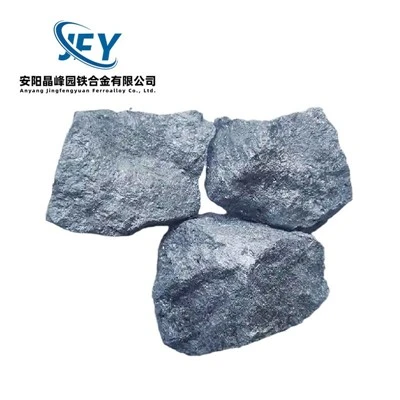
If you’re looking for a new carbon raiser supplier, or you’ve been having issues with your current one, hit me up to talk through your needs. We can tailor the product to your exact specs, send free samples, and make sure it works for your process before you commit to a big order. No fine print, no hidden fees, no jargon. Just a guy who’s been doing this for years, and wants to help you make your operation run smoother.
References
Cored Wire ASTM International. Standard Test Methods for Carbon Content of Steel. ASTM A1011/A1011M-21.
World Steel Association. Carbon Additives in Steelmaking: A Guide for Producers. 2022.
Aluminum Association. Specifications for Carbon Anodes in Aluminum Smelting. AA-100-2021.
International Carbon Black Association. Feedstock Requirements for Carbon Black Production. 2023.
US Environmental Protection Agency. Waste-to-Energy Efficiency Improvement Guide. 2022.
Anyang Jingfengyuan Ferroalloy Co., Ltd.
As one of the most professional carbon raiser manufacturers and suppliers in China, we’re featured by quality products and good price. Please rest assured to buy bulk carbon raiser in stock here and get quotation from our factory. We also accept customized orders.
Address: Longquan Town Industrial Park, Long’an District, Anyang City, Henan Province
E-mail: Jingfengyuan@jfyferroalloys.com
WebSite: https://www.jfy-ferroalloy.com/
